
Discovering Oplontis Villa Poppaea: An Elegant Roman Escape
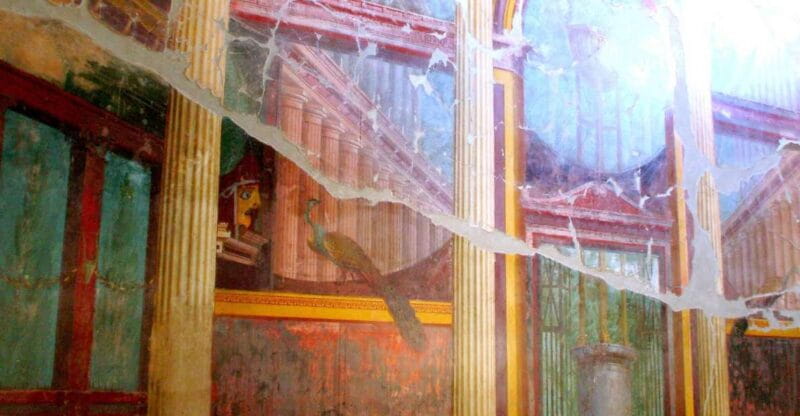
If your travels have already taken you through the ruins of Pompeii and Herculaneum, you might think you’ve seen it all in the ancient Roman world. Think again. The Villa Poppaea in Torre Annunziata is a hidden gem, offering a glimpse into the opulence of Roman aristocratic life that often gets overshadowed by its more famous neighbors. As a travel writer who’s seen many ruins, I found this tour to be a refreshing experience that combines history, art, and grand architecture in a surprisingly accessible way.
One of the things I loved is how the tour highlights the extraordinary frescoes, some of the best preserved in the Vesuvian area, which vividly showcase the artistic styles and themes popular among the Roman elite. Equally compelling is the scale of the villa itself—with about 90 rooms, sprawling gardens, and a 70-meter swimming pool, it’s clear that this was a place built for luxury and leisure, not just function.
A small but notable drawback is the price—$677.54 per group up to 20—meaning this experience is best suited for groups or travelers seeking a more private, expert-led exploration. While the cost might seem steep, the depth of detail, the guided narration by a licensed expert, and the chance to see well-preserved frescoes and features like Roman latrines and thermal baths make it a worthwhile investment for those who truly want to understand Roman aristocratic life beyond the typical ruins.
You can check availability for your dates here:Key Points & Takeaways
- Exclusive Access: Private group tour offers a more intimate experience compared to public visits.
- Impressive Frescoes: The villa features striking Second and Third Style Roman wall paintings, including the famous fresco of figs in a wicker basket.
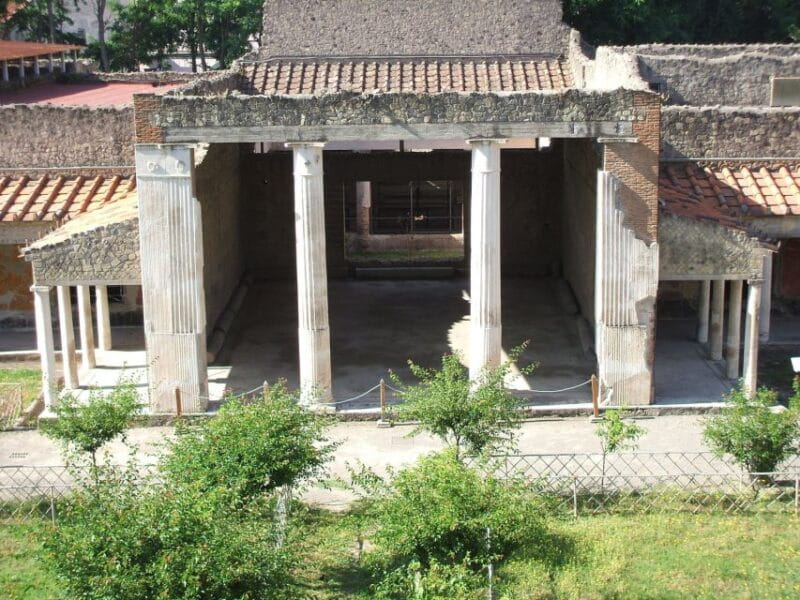
- Size and Layout: With roughly 90 rooms, including gardens, baths, and a massive swimming pool, it’s a sprawling example of Roman luxury.
- Authentic Details: You’ll see well-preserved features like Roman latrines and bath areas, giving insight into daily life.
- Expert Guidance: The licensed guide provides rich context, explaining the architecture and significance of each area.
- Convenient Meeting Point: Starting at the villa entrance, it’s easy to find, and the tour ends back at the same spot, with no need for additional transportation arrangements.
You can also read our reviews of more tours and experiences in Torre Annunziata.
Entering the World of Roman Elegance: The Itinerary
The tour begins as you meet at the entrance of the Oplontis Roman Villa, a site that often flies under the radar but deserves recognition. Unlike Pompeii’s chaos or Herculaneum’s ash-preserved charm, Villa Poppaea feels more like stepping into a private residence of ancient nobility. The guide, often a licensed expert, will greet you and set the scene, revealing that the villa is named after Emperor Nero’s wife, Poppaea, thanks to a graffiti inscription—adding a personal touch to your visit.
Next, you’ll explore the northern garden, a peaceful green space that sets a decorative tone for the villa’s grandeur. From there, the tour moves into the spa area, which includes thermal baths—an indication of Roman relaxation and health practices—still impressive in their preservation.
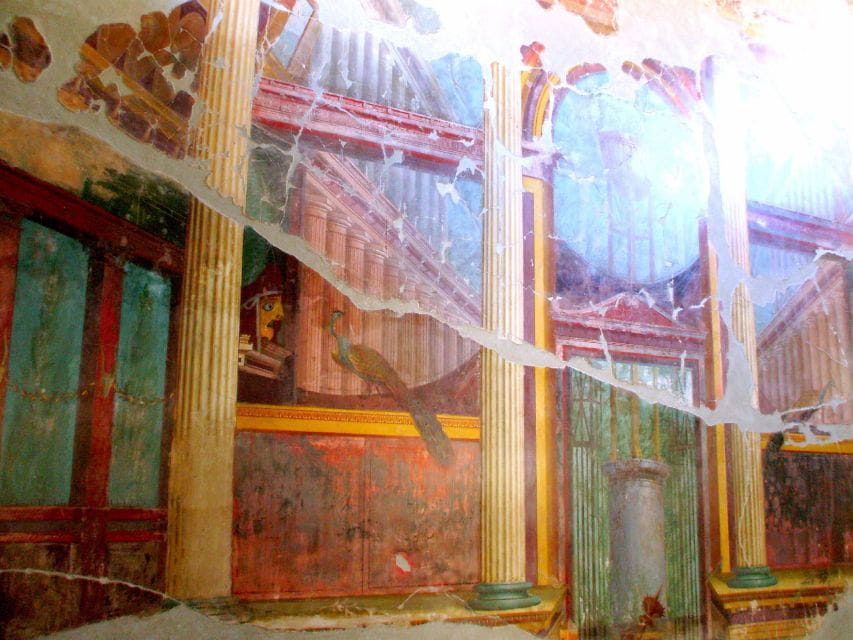
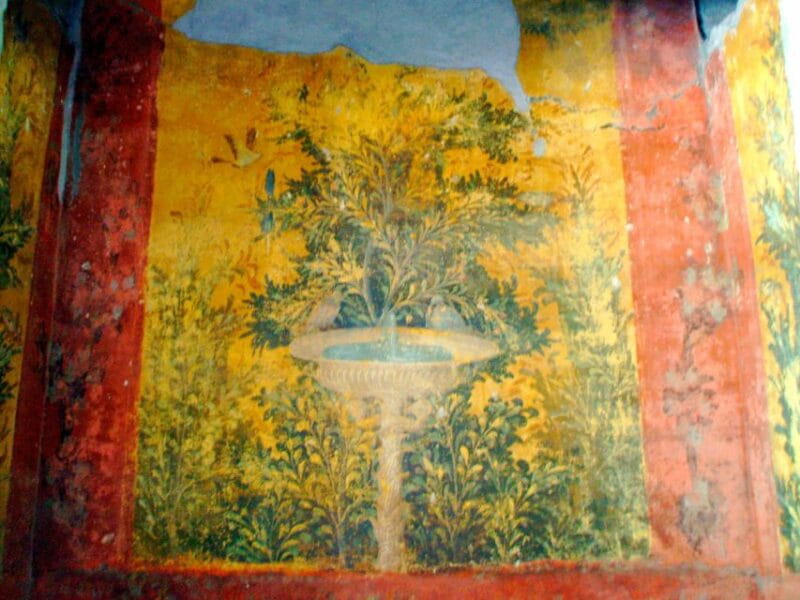
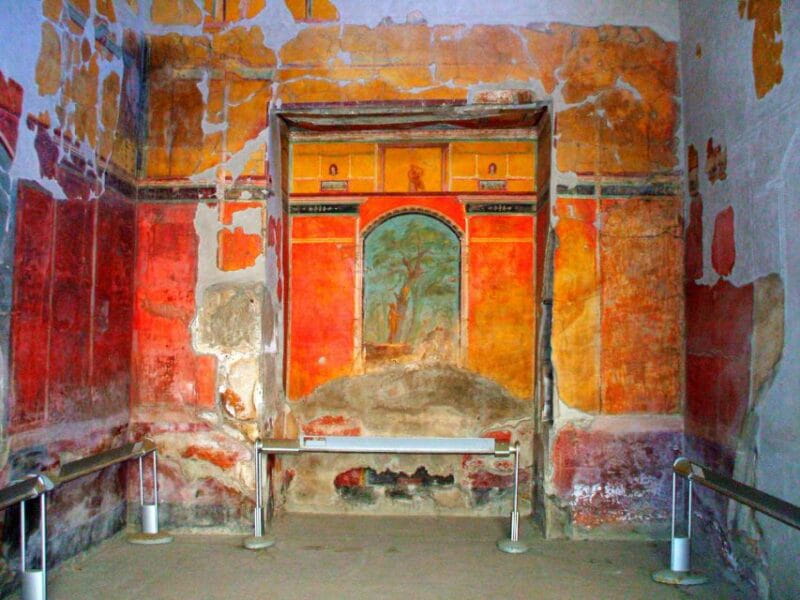
The heart of the villa lies in the southern wing, where the frescoes truly shine. Expect to see vivid Second Style murals, characterized by illusionistic architecture and intricate details, along with the more ornate Third Style paintings, which are more delicate and decorative. The guide will point out details like the fresco of figs in a wicker basket, a famous piece that offers insight into Roman tastes and symbolism.
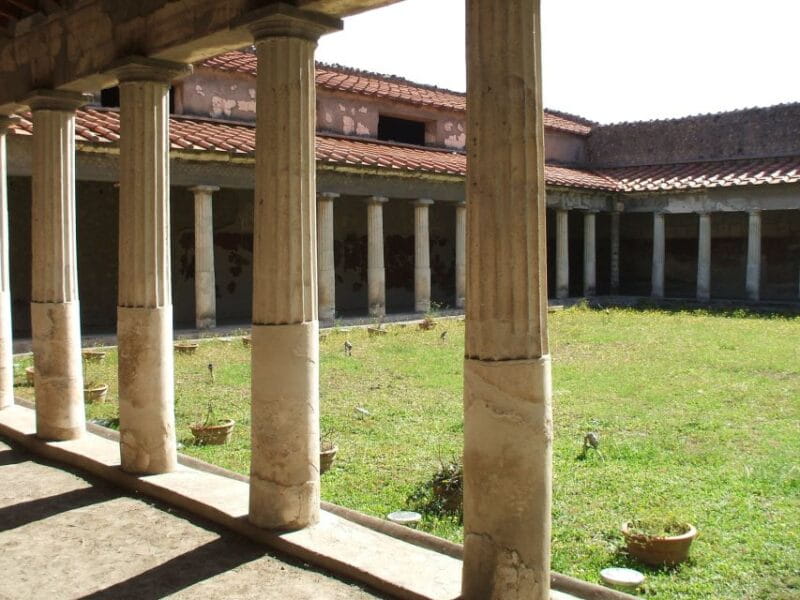
A highlight is the large portico, leading to the atrium, where the villa’s main living spaces radiate outwards. Here, you’ll encounter a perfectly preserved latrine, a surprising but fascinating glimpse into Roman hygiene. The tour then continues through decorated rooms, corridors, and the large eastern peristyle—a courtyard surrounded by finely adorned rooms with a fountain at the center.
A major feature is the 70-meter swimming pool, which was undoubtedly the centerpiece of leisure. Surrounded by bronze and marble statues, the pool’s size hints at the extravagance of Roman aristocracy. The guide explains that the pool was likely used for relaxation and social gatherings, echoing the villa’s purpose as a summer retreat.
Throughout your walk, the guide offers detailed explanations on the structure of the villa—from the service areas and kitchen to the rest areas for men and women—which helps paint a picture of daily Roman life. As you admire the frescoes, you’ll learn that some paintings probably merged with painted plant elements, creating a lush, natural atmosphere.
The Art and Architecture: Why This Matters
The frescoes are not only beautiful but also tell stories about Roman culture and aesthetics. The fresco of Apollo’s sanctuary reveals religious practices, while the fresco of figs displays the Roman love of nature and symbolism. These paintings are invaluable because they’ve been so well-preserved, giving you a rare chance to experience the artistry of Roman wall painting firsthand.
The villa’s size and layout—covering gardens, baths, living chambers, and a massive pool—speak volumes about Roman wealth and their appreciation for comfort and entertainment. You’ll notice how the villa was designed for both privacy and grandeur, with private rooms and open-air spaces that connected residents with nature.
Practical Tips: Making the Most of Your Visit
- Book ahead: The tour is private, with a set duration of 2 hours, so booking in advance is advisable.
- Check the availability: Tours start at different times, so verify your preferred slot.
- Bring your curiosity: The guide will explain everything from fresco symbolism to architectural features—be ready to ask questions.
- Consider the price: While $677.54 per group is a good investment for a tailored experience, it’s best suited for those traveling in a small group or with a special interest in Roman villas.
- Timing: The 2-hour duration is just enough to see the highlights without feeling rushed, but be prepared for a fair amount of walking.
- Language options: Tours are available in multiple languages, including English, Spanish, French, German, and Italian.
Who Will Love This Tour?
This experience is perfect for travelers who want more than just a quick peek at Roman ruins. If you’re interested in artistic details, architecture, and the lifestyle of Roman elites, you’ll find this tour enlightening. It also suits those who appreciate well-preserved frescoes and want a more private, guided perspective—ideal if you prefer a slower, more detailed visit.
It’s less suited for travelers on a tight budget or those seeking a fast-paced overview of Roman history. The cost reflects the guided, intimate nature of the tour, and the focus is on quality over quantity.
Price and Logistics: Worth the Investment?
At nearly $700 for a group, this tour is definitely a premium offering. But when you consider the expert guidance, the intimate setting, and the chance to see extraordinary frescoes in a less crowded environment, it offers good value for those passionate about Roman art and architecture.
The 2-hour format is manageable and packed with content, making it a deep dive into Roman elegance. Keep in mind that transportation and entrance tickets are not included, so plan accordingly. For those especially interested in this site, the experience could be a highlight, justifying the expense.
Final Thoughts: Who Should Book This Tour?
This private tour of Villa Poppaea is a fantastic choice for travelers who truly want a personalized, immersive look into Roman aristocratic life. Art lovers, history enthusiasts, and those craving a peaceful, detailed exploration of a lesser-known villa will find it rewarding. It’s particularly valuable for visitors who appreciate expert narration and detailed contextual insights that make the ruins come alive.
If you’re traveling with a small group or in a family that shares a keen interest in Roman history and art, this experience could be a memorable highlight of your time in Campania. However, if you’re on a tight budget or prefer quick, self-guided visits, this might not be the best fit.
FAQs
Is this tour suitable for children?
While the tour is primarily designed for adults or older children interested in history and art, younger kids might find the pace slow or the frescoes less engaging. It depends on your family’s interests.
How long does the tour last?
The guided tour lasts approximately 2 hours, allowing for an in-depth exploration without feeling rushed.
Are transportation and entrance fees included?
No, those are separate. The fee covers only the guided experience. You’ll need to arrange your own transportation and purchase entrance tickets.
Can I book this tour last minute?
Availability depends on the day, so it’s best to check in advance. The tour can be booked with some flexibility, and it’s wise to reserve early during busy seasons.
What languages are available for the tour?
Tours are offered in Spanish, English, French, German, and Italian, ensuring options for a broad range of travelers.
Is this a private or group tour?
It’s a private group experience, providing a tailored and quieter environment compared to large group visits.
How accessible is the villa for people with mobility issues?
The information doesn’t specify accessibility, so if this is a concern, it’s best to contact Italygonia Travel T.O. directly for details.
What should I bring on the tour?
Bring your curiosity and perhaps a camera. Wear comfortable shoes, as you’ll be walking through a large site with various surfaces.
To sum it up, the Torre Annunziata: Oplontis Villa Poppaea tour offers a rare chance to step inside one of the most beautifully preserved Roman villas with a knowledgeable guide. It’s perfect for those who want to see beyond the crowds and dive deep into Roman art, architecture, and lifestyle. While it comes at a premium, the intimacy, expert guidance, and stunning frescoes make it a special experience well worth considering if you’re eager for an authentic look at Roman grandeur.
You can check availability for your dates here: