
A Closer Look at the Refugios de la Guerra Civil in Almería
In my review of the Refugios de la Guerra Civil, I find myself intrigued by this quiet yet powerful glimpse into Spain’s past. Located in Andalusia, these tunnels were built during the Spanish Civil War to protect civilians from aerial bombings. What makes this experience stand out is how it combines history with a tangible sense of what daily life was like during those turbulent days. Guided by a knowledgeable official from the Junta de Andalucía, you’ll gain a layered understanding of the shelters’ purpose and the difficult conditions faced by those seeking refuge.
Two aspects I particularly appreciate are the restored sections of the tunnels—some of the best-preserved in Europe—and the intimate storytelling by guides like Inés, who bring history to life with passion and clarity. The tour lasts about 70 minutes, but the depth of information and emotional impact can linger long afterward. However, a word of caution: the tunnels are not suitable for people with mobility issues, claustrophobia, or respiratory problems, given the narrow, underground nature of the shelters.
A potential consideration for visitors is the strict rules on photography and touching objects—no videos, no selfies in certain areas, and objects cannot be left behind due to the exit being separate from the entrance. This might feel restrictive but helps preserve the site for future visitors. Also, be sure to book your ticket in advance, especially during peak seasons, and check the closing times for reception, as object storage is limited and dependent on the season.
Key points / Takeaways
- Authentic experience: You walk through 1 km of the original tunnels, offering a real sense of how people hid during the war.
- Expert storytelling: Guides like Inés, who is from Argentina, are praised for their deep knowledge and engaging explanations.
- Well-preserved site: The shelters are some of the most intact in Europe, making your visit both educational and moving.
- Strict rules for preservation: No videos or touching objects help keep the site intact but may feel limiting for some visitors.
- Limited accessibility: Not suitable for those with mobility or health issues due to narrow, confined spaces.
- Timing and logistics: The tour lasts about 70 minutes, with access depending on availability and seasonal closing times.
Exploring the Civil War Shelters in Almería: A Genuine Connection to History
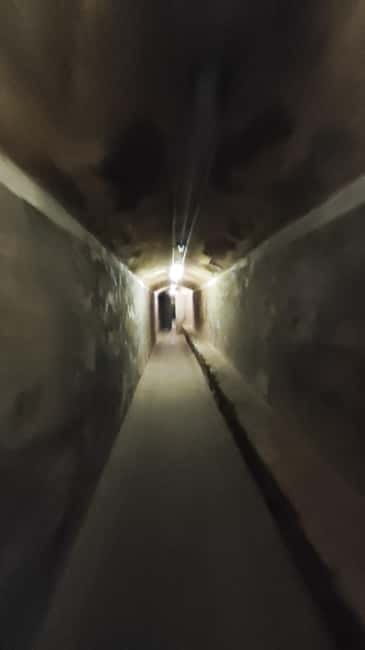
Walking into the Refugios de la Guerra Civil in Almería is like stepping into a different time. From the moment you meet your guide—who might be someone like Inés, a passionate storyteller—you’ll start to understand the harsh realities faced by civilians during the war. These tunnels, some of the best-preserved in Europe, stretch for over 4.5 kilometers, though only 1 km are usually accessible during the tour. You’ll experience the claustrophobia, the silence, and the sense of vulnerability that people felt when seeking shelter from bombings.
The guide’s role is central to how meaningful the visit becomes. As one reviewer mentioned, Inés “knows a lot about the history of the Civil War” and makes the experience very engaging. She offers explanations about the purpose of different sections of the tunnels, how they were built, and what life was like underground. You will also watch a 13-minute video before entering, which helps set the context and prepares you for the tour. I love how this combination of multimedia and guided storytelling makes history feel immediate and personal.
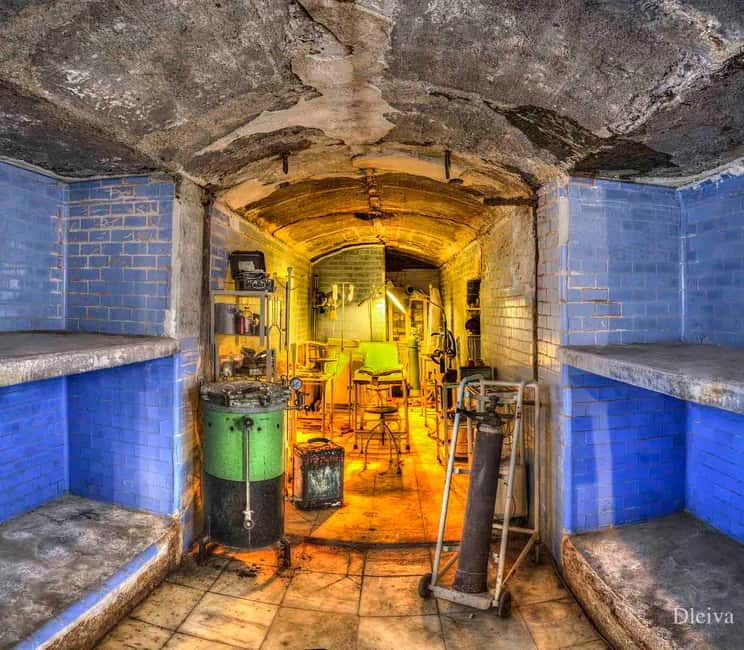
The restored shelters highlight the care taken to preserve this piece of history. These sections are not just relics; they are educational tools that vividly communicate the fears and resilience of the population. Be aware, though, that touching walls or sitting on benches is prohibited, and photography is limited to avoid damaging the site. It’s a trade-off—preservation over personal photos—but it ensures these tunnels remain for future generations.
The tour takes you through several key areas, including places of special interest used by civilians during the war. Walking through these spaces makes the past tangible. It’s a sobering experience that reminds us how war impacts ordinary people, not just soldiers. The emotional weight is compounded by the fact that the site was designed as a space of peace, giving visitors a chance to reflect on the importance of peace in the present.
You can also read our reviews of more tours and experiences in Almeria.
Price and logistics
The experience includes tickets, the guide’s explanations, and the short video. Although the cost might seem modest, I believe the value is high because you’re accessing some of the most intact shelters in Europe and listening to detailed narratives from experienced guides. However, objects cannot be left at the reception, and the exit is in a different location—meaning if you forget something, retrieving it can be complicated, especially during summer when reception hours are shorter.
The duration of 70 minutes is quite reasonable for a deep dive into this history, but keep in mind that access is subject to availability. Be sure to check the schedule in advance and confirm starting times. The tour is only offered in Spanish, so if you’re not fluent, consider hiring a guide or translation app.
Who is this for?
This tour is well-suited for history enthusiasts, students, or anyone interested in understanding the human side of the Spanish Civil War. Since it involves narrow tunnels and confined spaces, it’s not recommended for those with mobility issues, claustrophobia, or respiratory problems. Families with older children or teenagers might find it a powerful, educational experience, especially if they can handle the underground environment.
In-Depth: The Itinerary Breakdown
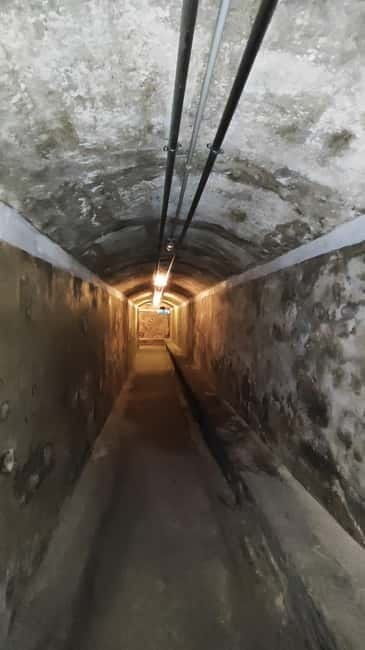
Starting at the main entrance of the shelters, you’ll meet your guide—likely someone like Inés—who will lead you into the tunnels after a brief introduction. The first part is the video presentation, which lasts about 13 minutes and provides historical context. When you step into the tunnels, the cool, dark environment immediately transports you back in time. Expect around 70 minutes of guided exploration, during which you’ll visit restored sections, learn about the different uses of various chambers, and hear stories of the civilians who hid inside.
The places of special interest include hidden corners where civilians sought safety and areas where supplies were stored. The guide’s explanations help you understand the strategic importance of these shelters and how they served as a symbol of resilience. Some reviewers appreciated guides like Inés for sharing “the history of the Civil War and making the visit very short and engaging,” which speaks to the quality of the narration.
Once the tour concludes, you’ll exit at a different point, near the Escuela de Arte Carlos Pérez Siquier, allowing you the option to continue exploring or reflect on what you’ve learned. Be mindful that objects left behind at reception cannot be retrieved during busy hours, so plan accordingly.
More Great Tours NearbyThe Sum Up: Who Will Appreciate This Experience?
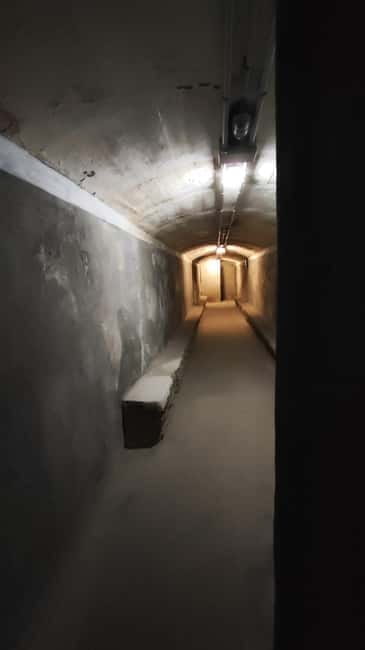
If you’re seeking an authentic, educational encounter with Spain’s Civil War history, the Refugios de la Guerra Civil in Almería offers a rare opportunity. Its well-preserved tunnels and passionate guides like Inés make it a meaningful visit, especially if you’re interested in understanding the civilian experience during wartime. The experience is best suited for those comfortable with underground spaces and who value guided storytelling over a self-led tour.
While the rules about photography and touching objects are strict, they serve to protect this important site for future visitors. The tour’s focus on preservation and education makes it a worthwhile investment for history buffs, students, or curious travelers who want more than just a surface-level understanding of Spain’s past. It’s a profound reminder that beneath the surface of any war are everyday people seeking safety and hope.
- Cabo De Gata Active. Guided Kayak and Snorkel Tour Through the Coves of the Natural Park
- Boat Ride in Garrucha, Mojácar, Vera, Carboneras.
- Fort Bravo Entrance Ticket
- Alhambra Palace & Generalife Gardens Daytrip From Roquetas, Aguadulce & Almeria
- Full-Day Western Theme Park Tour of Mini Hollywood – Oasys
- Almeria: Private Custom Tour With a Local Guide
Frequently Asked Questions
Is the tour suitable for people with mobility issues? No, the tunnels are narrow and underground, making them unsuitable for those with mobility impairments.
Can I take photos during the tour? Photography is allowed in certain areas, but video and audio recording are prohibited to protect the site.
How long does the tour last? The guided tour takes approximately 70 minutes, including a short video presentation beforehand.
Are there any restrictions on touching objects or sitting? Yes, touching walls and sitting on benches are forbidden to preserve the site.
What should I wear? Comfortable shoes and clothes are recommended, as you will be walking through tunnels.
Is there a guide who speaks English? The tour is conducted in Spanish; if you don’t speak Spanish, consider a translation app or guide.
Can I leave objects at reception? Objects cannot be left at reception, and retrieving forgotten items may be complicated due to seasonal closing hours.
In all, exploring the Refugios de la Guerra Civil in Almería is an impactful experience that balances history, preservation, and reflection. It’s especially valuable for those eager to connect with Spain’s past beyond books and documentaries, offering a tangible sense of resilience amid the dark days of war.
You can check availability for your dates here:More Tour Reviews in Almeria
Not for you? Here's more things to do in Almeria we have recnetly reviewed
- From Garrucha: Mojácar, Vera Boat Cruise Guide Tour
- Granada: Several days route to Almeria
- Refugios de la Guerra Civil: Un espacio de paz
- Almeria: Spanish Civil War Shelters Ticket and Official Tour
- Discover the fascinating Alcazaba: History and unique views
- Descubriendo Almería: Un Viaje por la Historia y la Cultura
- Cabo de Gata: 4×4 Tour Genoveses, Monsul and Gold Mines
- Cabo De Gata Salt Flats: Salt worker for a day.
- Cabo de Gata: Stargazing Experience
- Almeria: Convent of the Puras Skip-the-Line Entry Ticket
- Centro histórico: un paseo por la historia.
- Almería: Cathedral and Monastery of Las Puras Guided Tour