
Exploring the Ancient Wonders of Paestum: A Guided Tour of Italy’s Best Preserved Temples
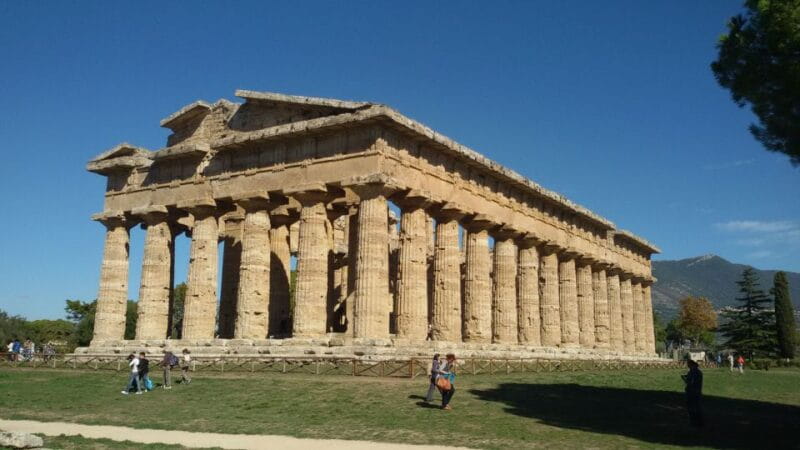
Taking a guided tour of Paestum’s archaeological site offers a captivating glimpse into Magna Graecia’s grand past. This UNESCO World Heritage site showcases three stunning Doric temples dedicated to Hera, Poseidon, and Ceres, along with notable ruins like the Roman Forum and amphitheater. The experience is thoughtfully curated with a licensed guide, providing not just a walk through ancient stones but a story woven into every corner.
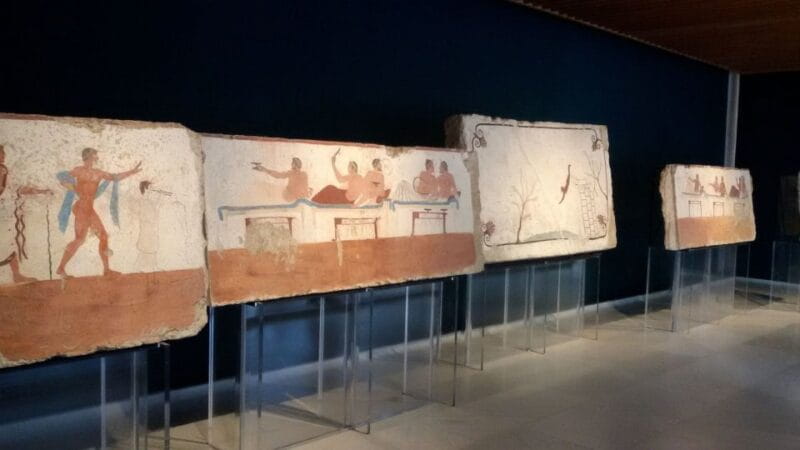
What I really appreciate about this tour is how it balances depth and accessibility. The guide I’ve read about—who seems to earn glowing reviews—brings the history alive, answering questions with patience and sharing insights that make the ruins meaningful. Plus, visiting the Archaeological Museum afterward adds a layer of richness, especially with treasures like the Tomb of the Diver and the metopes of Hera Argiva.
One thing to keep in mind: This tour doesn’t include entry tickets or transportation, so you’ll want to plan those separately. Also, at around $325 for a group of up to 25, it’s a reasonably priced way to get an expert-led overview of Paestum’s marvels—especially if you’re traveling with a small group or family. The 2-hour duration might seem brief, but it’s packed with enough detail to satisfy curiosity without feeling rushed.
You can check availability for your dates here:Key Points / Takeaways
- Expert-guided experience: A licensed guide helps interpret the ruins, answering questions and bringing history to life.
- Focus on three main temples: Hera, Poseidon, and Ceres—each with distinct architectural features and histories.
- Unique artifacts at the museum: Including the famous Tomb of the Diver and detailed metopes from Hera’s temple.
- Authentic ancient site: Well-preserved ruins and structures comparable to those in Olympia, offering genuine insights into Greek and Roman influence in Italy.
- Focus on architecture and history: Clear explanations enhance appreciation for Doric style and ancient religious practices.
- Flexible options: Free cancellation up to 24 hours in advance and the choice to reserve without immediate payment add convenience.
You can also read our reviews of more tours and experiences in Paestum.
Discovering Paestum’s Ancient Temples and Ruins
Stepping into Paestum is like walking into a grand open-air museum, with temples so well preserved they seem to whisper stories of 2,500 years ago. The guide I’ve read about, with glowing reviews, makes the history approachable. One traveler mentioned how the explanations of architecture and history were very good, and the guide answered questions well, making the experience both educational and engaging.
The Temples of Hera, Poseidon, and Ceres
The Hera Temple, also called the Basilica, is the oldest and in Doric style, measuring a massive 26 meters wide and 55 meters long. Its impressive scale makes it clear why this was an important religious site. The Poseidon Temple, often compared to Olympia’s temple of Zeus, is the largest and dates back to 460 B.C.E, standing proudly as a testament to Greek craftsmanship. The Ceres or Athena Sanctuary is somewhat smaller but no less significant, offering a glimpse into the religious diversity of ancient Magna Graecia.
What I love here is how each temple tells a different story—whether it’s the grandeur of Poseidon or the modest elegance of Ceres. The guide’s commentary helps you see the purpose and historical context behind each structure, turning stones into stories.
Exploring the Roman Layers
Beyond the temples, you get a glimpse of the Roman influence with the Roman Forum and the amphitheater along the Via Sacra. These ruins reveal how the city evolved and was reused over centuries. While the tour focuses mainly on Greek heritage, the Roman additions add a layer of depth, making Paestum a true crossroads of cultures.
More Great Tours NearbyThe Museum and the Tomb of the Diver
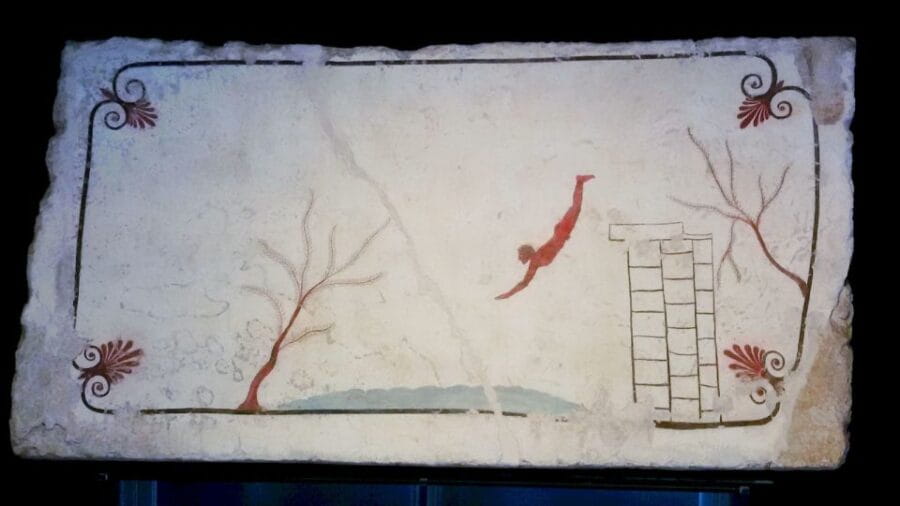
The visit concludes at the Archaeological Museum, where treasures like the metopes of Hera Argiva and the statue of Zeus await. The Tomb of the Diver is a standout—this five limestone slabs tomb features vibrant fresco-like paintings, offering a rare window into funerary art and beliefs of the time. Many reviews highlight how these artifacts deepen the understanding of ancient life beyond just ruins.
Price, Duration, and Practicalities
At $325.13 per group of up to 25 people, this tour offers good value—especially considering the expert guidance and access to the museum. The 2-hour duration is a good snapshot, perfect if you’re short on time but still want a meaningful experience. Remember, tickets to the archaeological park and museum are not included, so plan to purchase those separately. The meeting point is conveniently at the museum entrance, and the tour ends back there, simplifying logistics.
Who Will Love This Tour?
Travelers interested in classical architecture, ancient history, and archaeological treasures will find this tour rewarding. It’s especially suited for those who appreciate expert guides—many reviews praise the guide’s knowledge and friendliness. If you’re traveling with a group, the private aspect adds a personalized touch, ensuring questions are answered and curiosities satisfied.
A Few Considerations
While the tour is comprehensive, it’s only two hours, so if you’re a super-history enthusiast or want an in-depth exploration, you might consider extending your visit with additional time at the site or museum. Also, since transportation isn’t included, you’ll need to arrange your own way to Paestum, which is worth considering if you’re coming from nearby cities like Salerno or Naples.
Why This Tour Is a Great Choice for Many Travelers
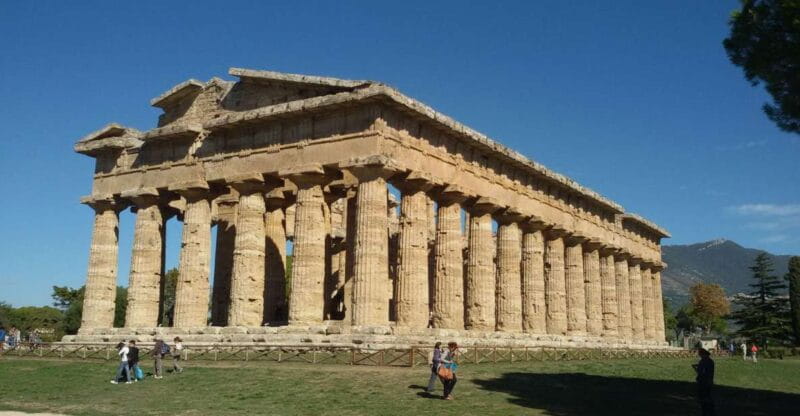
For those eager to see remarkably preserved Greek temples in Italy, this guided tour hits the mark. It offers an excellent introduction to Paestum’s major sights, delivered by a guide who makes the ancient world engaging and understandable. The combination of temple visits, museum treasures, and ruins like the amphitheater delivers a well-rounded picture of this ancient city’s history.
If you’re craving authenticity and expert insights without the hassle of organizing tickets and logistics yourself, this tour provides a convenient, enriching experience. It’s ideal for cultural travelers, history buffs, and small groups looking for a personal touch.
However, if you’re traveling on a tight budget or prefer a self-guided visit, it might be worth exploring the site independently, especially since the ruins are so well preserved and accessible.
Frequently Asked Questions
Are tickets to the archaeological park and museum included?
No, the tour price does not include entrance tickets. You will need to purchase these separately.
What languages are available for the guided tour?
Guides speak Spanish, English, French, German, and Italian. Check availability for your preferred language.
How long does the tour last?
The guided tour lasts approximately 2 hours, with starting times depending on availability.
Is this a private group?
Yes, the tour is designed for private groups, making it more personalized.
Can I cancel the tour?
Yes, you can cancel up to 24 hours in advance for a full refund.
What is the meeting point?
The tour starts at the entrance of the Archaeological Museum in Paestum and ends there as well.
Is transportation included?
No, transportation to and from Paestum isn’t included, so plan your journey accordingly.
How much does the tour cost?
It’s $325.13 per group of up to 25 people, making it a good value for groups or families.
Is this tour suitable for children?
While not explicitly stated, small groups and the engaging guide make it manageable for older children interested in history.
What are the main highlights of this tour?
Visiting three well-preserved Greek temples, exploring the Roman ruins, and discovering artifacts like the Tomb of the Diver and metopes in the museum.
Final Thoughts
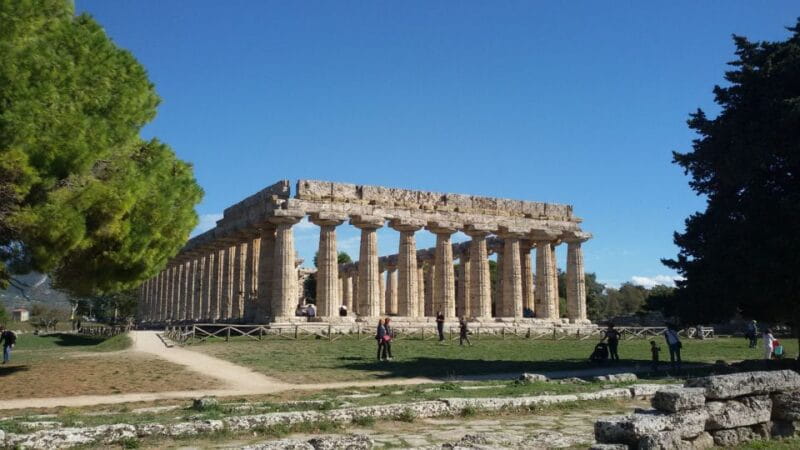
This Paestum tour offers a practical, well-organized way to experience some of Italy’s most significant ancient ruins. The focus on expertly guided explanations and exclusive access to museum treasures makes it especially appealing for those who want more than just a photo op—this is about understanding and appreciating a place where Greeks, Romans, and Italians left their mark.
Travelers who value knowledgeable guides, well-preserved ruins, and a manageable time investment will find this experience well worth the price. It’s particularly suitable for small groups and those with a keen interest in ancient architecture and art.
If you’re in Campania and eager to see the best-preserved Greek temples in the world, this tour delivers a memorable, educational, and authentic encounter with Italy’s ancient past.
You can check availability for your dates here: