
Discovering the Charm of Viana do Castelo’s Museum of Decorative Arts
If you’re wandering through northern Portugal and want a glimpse into the country’s vibrant decorative arts scene, the Museum of Decorative Arts in Viana do Castelo is well worth a visit. For just around $2.71, you gain access to a thoughtfully curated collection that highlights Portugal’s tradition of craftsmanship — from dazzling faience and tiles to furniture, paintings, and sculptures. The museum’s location right in the heart of Viana, near Largo de S. Domingos, makes it a convenient stop on any cultural itinerary.
Two things truly stand out here: First, the magnificent collection of national faience, which showcases Portugal’s long-standing ceramic tradition. Second, the remarkable baroque tiles in multiple rooms and the museum’s chapel, which tell stories both spiritual and artistic. It’s a place where history and artistry intertwine, giving you a deeper appreciation for Viana’s maritime and cultural roots.
That said, a potential consideration is that the experience is quite focused — if you’re expecting a sprawling art museum with a broad range of periods, you might find this one a bit specialized. But if decorative arts interest you, or you want a close look at Portugal’s tile and ceramics heritage, this place offers a rewarding visit.
Key points / Takeaways
- Affordable entry for such a rich collection of decorative arts.
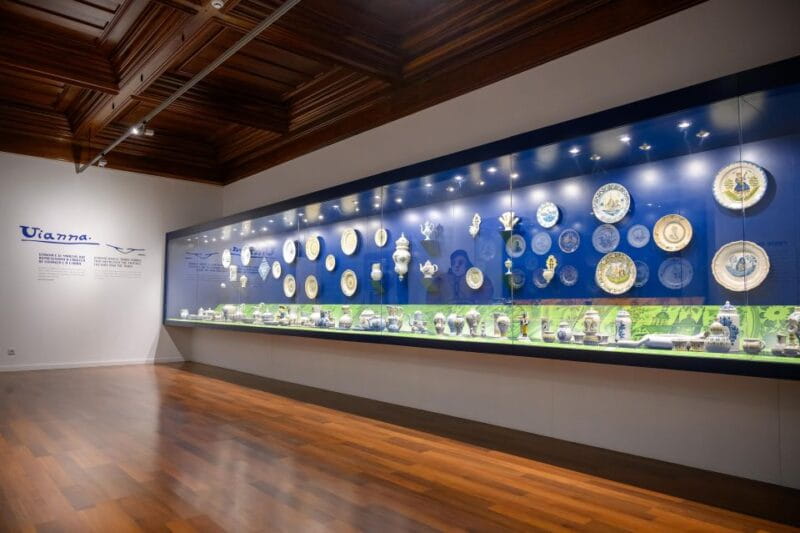
- Impressive faience collection, featuring pieces from the 18th century and attributed to renowned artists like Valentim de Almeida.
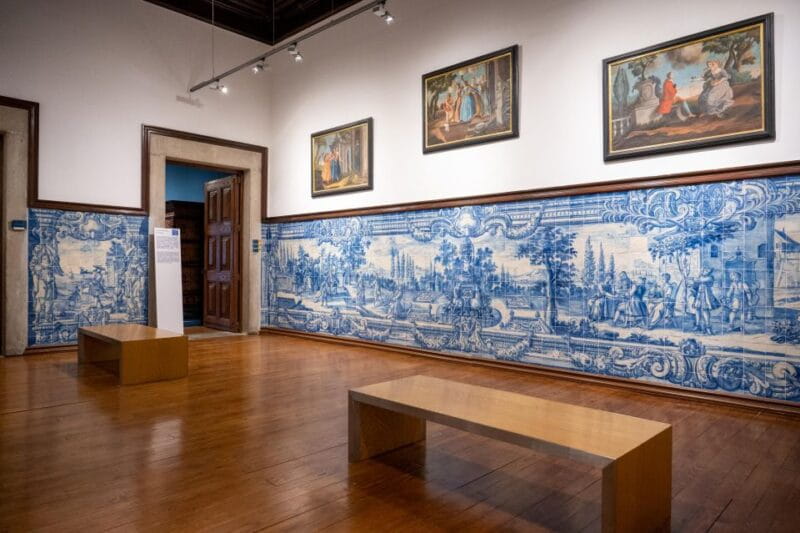
- Baroque tiles in the museum’s rooms and chapel, depicting biblical, hunting, and garden scenes.
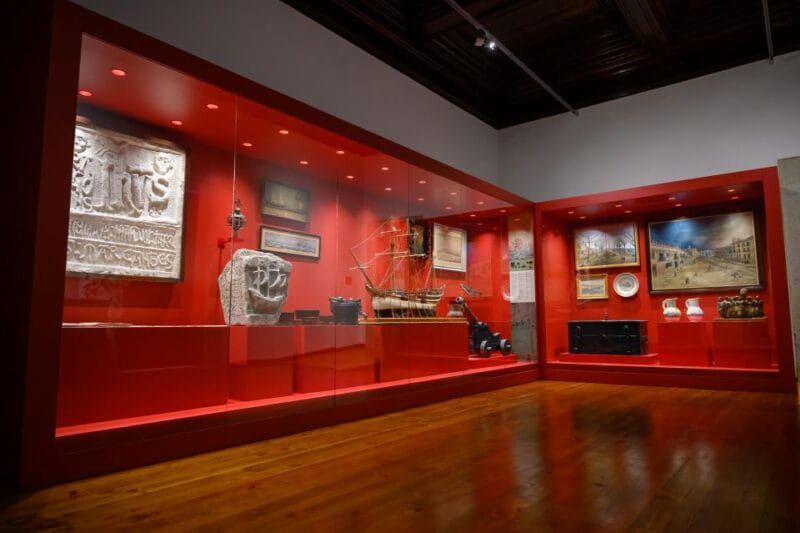
- Cultural stories told through rooms that explore Viana’s maritime history.
- Accessible for all visitors, with wheelchair access, descriptive audios, and facilities for reduced mobility.
- Includes access to the Costume Museum, offering even more local history under one ticket.
Exploring the Collection and Layout
Walking into the Museum of Decorative Arts, you immediately notice the rooms facing Largo de S. Domingos, filled with eighteenth-century tiles made in Lisbon. These tiles aren’t just pretty — they tell stories from four continents, with themes ranging from biblical scenes to hunting and gardens. The attention to detail in these baroque tiles is incredible. Many visitors comment on how the tiles signed by Valentim de Almeida vividly illustrate Portugal’s artistic prowess during that period.
The centerpiece for many is the chapel covered with historic tiles featuring biblical themes, painted by Policarpo de Oliveira Bernardes. These tiles aren’t just decorative; they serve as a window into 18th-century religious art, and their preservation is impressive. The guide or descriptive audios (available in several languages) help you appreciate the stories behind each piece, making the experience more engaging.
The collection also spans furniture, sculptures, and drawing, all displayed within large, well-lit rooms. The art isn’t just for admiring — it’s for understanding the craftsmanship and cultural values of Portugal’s past. The collection of faience is especially notable, reflecting the influence of reformist impulses in the 18th century that boosted ceramics production across the country.
Ready for more culture? More museums we feature in Viana Do Castelo
The Maritime and Local History Connection

Beyond decorative arts, the museum offers rooms that tell the story of Viana do Castelo itself. You’ll see exhibits that explore the town’s maritime vocation, which historically shaped its identity and economy. This isn’t just a collection of pretty objects; it’s a narrative of how ceramics, tiles, and furniture played roles in the everyday life and trade of a bustling port town.
Some visitors mention that the rooms dedicated to Viana’s maritime history add a meaningful layer to the experience, especially if you’re interested in how local industries and trade influenced art and craftsmanship. It’s a reminder that these decorative objects weren’t created in isolation but were part of a vibrant, working community.
Practical Tips for Visiting
- The ticket includes access to the Costume Museum, so if you’re interested in local dress and traditions, you can make a day of it.
- The museum features descriptive audios and facilities for visitors with reduced mobility, making it accessible and educational.
- Be aware that food and drinks are not allowed inside, and flash photography is prohibited, to help preserve the artifacts.
- Tours are guided by a Portuguese host, and check their availability ahead of time to plan your visit.
The museum typically lasts about an hour, but if you’re a fan of decorative arts or local history, you might spend longer exploring each room and reading the detailed descriptions.
Who Will Love This Museum?
If you’re interested in ceramics, tiles, or decorative arts, this museum is a hidden gem. It’s perfect for history and art lovers who appreciate craftsmanship and want to see some of Portugal’s most significant faience collections. Those with an interest in maritime history will also find the exhibit rooms telling compelling stories of Viana’s seafaring past.
The museum is well-suited for families, seniors, or visitors with mobility needs due to its accessible design. With a modest price tag and a rich, focused collection, it offers excellent value for anyone wanting an authentic, educational experience.
More Great Tours NearbyFinal Thoughts on Value
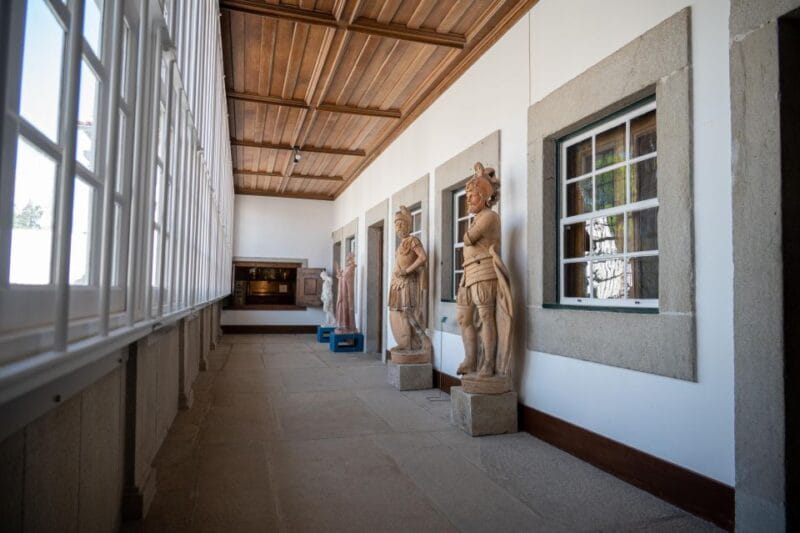
For just a few euros, you get a detailed look at Portugal’s ceramic and decorative arts heritage, presented in a charming, accessible setting. The magnificent tile collections and historic pieces make this a worthwhile stop, especially if you’re craving a more intimate cultural experience away from larger, more commercial museums. It’s a small museum, but what it lacks in size it makes up for in quality and depth.
If you’re in Viana do Castelo and have an hour or two to spare, this place delivers a meaningful peek into Portugal’s artistic traditions, local history, and maritime roots—all packed into one accessible and affordable visit.
Frequently Asked Questions

Is there an entrance fee? Yes, the ticket costs about $2.71 per person, making it a very affordable cultural stop.
How long does the visit take? Expect to spend around an hour, but you can easily linger longer if you love decorative arts and want to read all the descriptions.
Is the museum accessible? Yes, the museum is wheelchair accessible and offers facilities for visitors with reduced mobility, plus descriptive audios to enhance understanding.
What’s included in the ticket? Your ticket grants access to the main collection, including the faience, tiles, furniture, and sculptures, as well as entry to the Costume Museum.
Are there guided tours? The experience is self-guided, but descriptive audios are available, and the guide is Portuguese. It’s recommended to check availability for guided tours if you want a more detailed explanation.
Can I take photos? Flash photography is not allowed to protect the artifacts, but you might find non-flash photography permitted in some areas.
What should I wear? Comfortable shoes are advisable since you’ll be walking through several rooms filled with delicate and historic objects.
Are there facilities for families? Yes, the museum has a nursery and is suitable for visitors of all ages, including families with children.
Is the museum suitable for a quick visit or a full exploration? It’s perfect for a quick hour-long visit, but if you’re passionate about decorative arts, you might want to spend more time soaking in the details.
In short, the Museum of Decorative Arts in Viana do Castelo offers an authentic, affordable, and visually stunning experience. It’s a perfect stop for lovers of ceramics, history, and Portuguese craftsmanship, especially if you appreciate well-curated collections and engaging stories told through beautiful objects.
You can check availability for your dates here: