
A Closer Look at Manresa’s Water and Textile Museum
If you’re curious about how water shaped the development of Catalonia’s industrial landscape or eager to peek behind the curtain of Manresa’s textile history, the Manresa Water and Textile Museum offers an intriguing glimpse. At just $6 per ticket, this museum combines history, engineering, and local industry into a compact but rewarding visit. What makes it particularly compelling is its unique setting—housed in the vaults of a 19th-century water reservoir—and its insightful exhibitions that highlight the city’s connection to water and textiles.
Two things I especially appreciate about this museum: First, the chance to walk inside those impressive water tanks from the 1800s, which still retain their structural integrity and humidity, making you feel like you’ve stepped into a piece of living history. Second, the well-curated permanent exhibition about the Parc de la Sèquia, showing how a 14th-century canal still supports agriculture today, helps you grasp the longevity of Catalan water infrastructure.
A possible consideration? The museum’s focus on local history might mean it’s less engaging for travelers craving grand art or expansive exhibits, but if you love authentic, off-the-beaten-path experiences with a practical edge, it’s perfect. Plus, the guided insights from knowledgeable staff make the visit even more rewarding.
Key points / Takeaways
- Unique Location: The museum is set inside historic water reservoir vaults that still conserve their original structure and humidity.
- Insight into Catalan Industry: It showcases the evolution of Manresa’s textile industry from medieval times through the present.
- Water System Significance: The Parc de la Sèquia exhibit reveals how a 14th-century canal influences farming and urban planning today.
- Affordable & Accessible: At just $6, it offers a reasonably priced window into local industry and engineering.
- Guided Expertise: Visitors praise the knowledgeable guides, like the one mentioned by Cosmin, who found the experience “interesante.”
- Historical Secrets: The museum hides intriguing stories, including clues left by a former textile worker, adding a layer of mystery.
Entering the World of Manresa’s Water and Textile Heritage
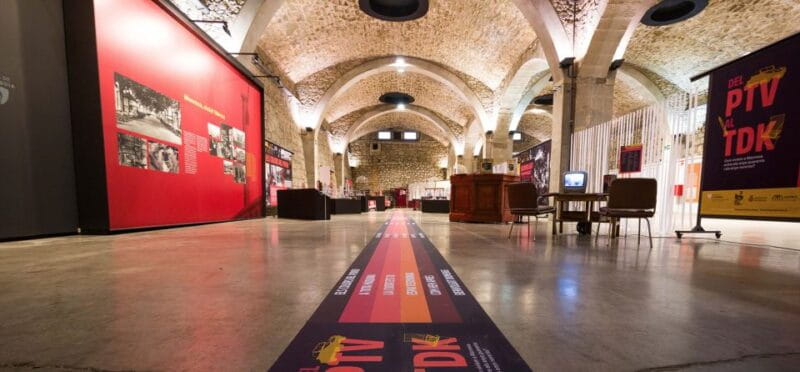
Visiting the Manresa Water and Textile Museum feels almost like stepping into a hidden underground world of engineering and industry. From the moment you arrive, the setting commands attention—these imposing water tanks from the 19th century are not just relics but still-functioning parts of a vast water system. You’ll walk through spaces that have been carefully preserved, where the original vaults, openings, and humidity create an authentic atmosphere.
The museum, opened in 1992, is housed in a clever location—within the vaults of the city’s water reservoir—making it more than just a gallery; it’s an experience of engineering ingenuity. The preservation of these tanks, covering 2,400 square meters, offers a tangible connection to the past, and the fact that you can still see the structure and humidity inside makes it feel very real.
The exhibitions are thoughtfully curated. Since 2009, two main displays stand out: one about Parc de la Sèquia, the 14th-century canal that’s still vital today, and another about the evolution of Catalan textiles from the Middle Ages. The canal exhibit demonstrates how water infrastructure supports modern agriculture, offering a perspective on sustainability and history that’s rare among typical museums.
What I find most charming is the personal touch—there’s a story about a former textile worker who left hidden clues in the museum, a reminder that behind every industry, there are human stories. This detail adds a layer of authenticity and intrigue that resonates with visitors.
Exploring the Exhibits in Detail
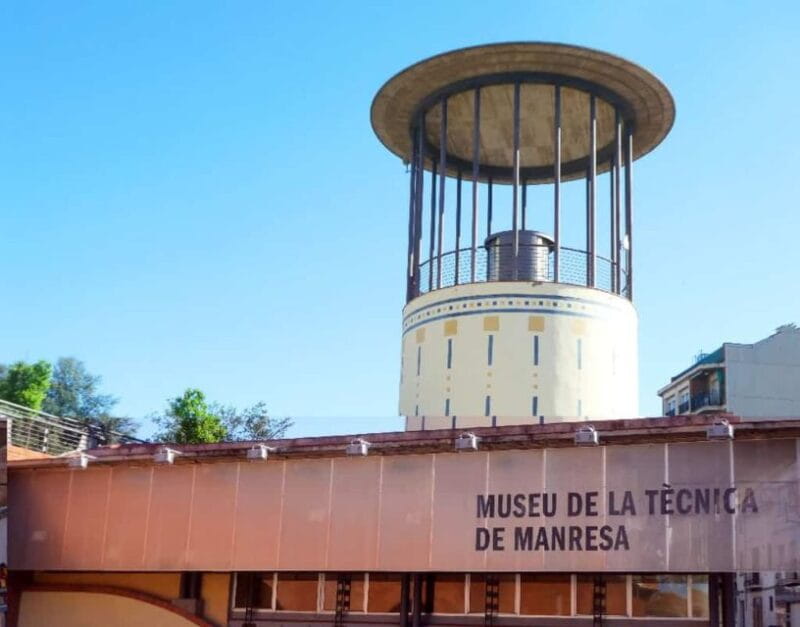
Walking through the water reservoirs, I appreciate how the museum makes history tangible. The tanks themselves are a highlight—they’re not just static relics but part of a working water system that still influences the city’s agriculture and urban landscape. Visitors often comment on how impressive it is to stand inside these structures, feeling the humidity and seeing the original openings that once served as access points or overflow outlets.
The Parc de la Sèquia exhibit is particularly enlightening. It demonstrates the canal’s construction in the 14th century, which continues to supply water to the region. This long-lasting infrastructure underscores how well-designed engineering can endure for centuries, supporting both farming and urban growth. It’s an excellent reminder of the importance of water management—something that remains relevant today.
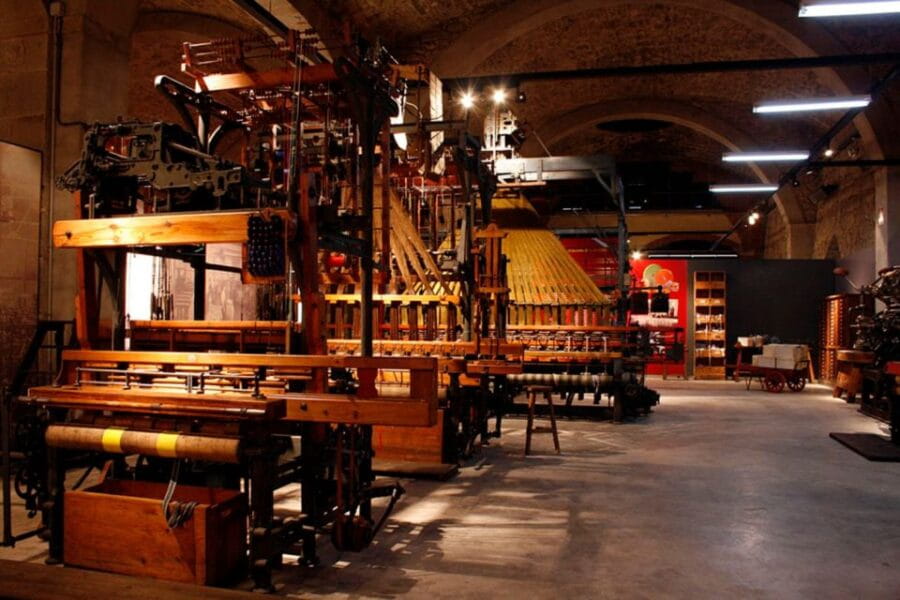
The textile exhibition traces the industry’s evolution from the Middle Ages to modern times. It’s a window into how this industry shaped Manresa’s fortunes and identity. You’ll see tools, textiles, and displays that illustrate how textiles were produced and traded, giving a sense of how deeply woven (pun intended) this industry is into local history.
The museum also offers a peek into the secrets left behind by a former textile worker—clues that hint at the personal stories behind industrial progress. These stories remind visitors that behind each industry, there are individual lives and experiences, making the visit more meaningful.
Practical Details and Visitor Tips
The ticket price of $6 is a bargain for what you gain—access to authentic historic structures and informative exhibits. The museum’s location in the water vaults not only preserves history but provides a cool, humid environment that can be a pleasant escape from the summer heat.
Check the availability for the starting times, as the visit is valid for just one day. It’s advisable to arrive early to avoid crowds and have enough time to explore thoroughly. The museum offers skip-the-line access, which is helpful during busy periods.
The facility is wheelchair accessible, making it inclusive for all visitors. It also offers the flexibility of free cancellation up to 24 hours in advance, which is helpful if your plans change unexpectedly.
To get the most out of your visit, consider hiring a guide if available, as many reviewers, including Cosmin, highlight the value of knowledgeable guides—who can reveal the hidden stories and technical details that bring the exhibits alive.
Who Will Love This Museum?
This experience suits those interested in industrial history, engineering, or local Catalan culture. It’s perfect for travelers who enjoy authentic, less touristy sites and want a meaningful, intimate glimpse into Manresa’s past. Families with older children and anyone curious about how water and textiles shaped a city’s development will find it especially rewarding.
While it may not be for those seeking grand art or large-scale exhibitions, it offers a quiet, contemplative experience that’s both educational and visually impressive. If you love discovering stories behind everyday infrastructure, this place is a hidden gem.
In brief: For a modest price, you get a well-preserved, engaging look into Manresa’s water systems and textile history. The guided insights and authentic setting make it a worthwhile stop that offers real insight into Catalan ingenuity and industry.
More Great Tours NearbyFAQ
How much does the museum cost?
The entry fee is $6 per person, making it a very affordable way to explore local history and engineering.
Is the museum accessible for people with mobility issues?
Yes, the museum is wheelchair accessible, with paths and facilities designed for all visitors.
How long should I plan for my visit?
Since the ticket is valid for one day and the exhibits are fairly compact, plan at least 1 to 2 hours to explore comfortably.
Can I cancel my reservation?
Yes, you can cancel up to 24 hours in advance for a full refund, giving you flexibility in your itinerary.
Are guided tours available?
While not explicitly mentioned, many visitors find that guided explanations from knowledgeable staff or guides enhance the experience—look for opportunities when booking.
What is the best time to visit?
Check the specific starting times and aim for early in the day to enjoy a quieter experience, especially during peak tourist seasons.
Is the museum suitable for children?
While the exhibits are more technical and historical, children interested in engineering or history may find it fascinating, especially with a guide’s storytelling.
What makes this museum stand out?
Its setting inside historic water tanks and the focus on long-standing water infrastructure make it a standout for anyone interested in engineering and local history.
The Manresa Water and Textile Museum delivers a rare peek into Catalonia’s industrial past through a beautifully preserved, authentic environment. It’s a perfect stop for travelers seeking a quiet, informative experience that connects history with modern water management and industry. If you value local stories, engineering marvels, and an intimate atmosphere, this little museum packs a big punch.
You can check availability for your dates here: