
A Walk Through Granada’s Sacred Heart: Monastery of San Jerónimo
When it comes to exploring Granada’s treasures, the Monastery of San Jerónimo offers a chance to step into a world of artistry and spiritual serenity. Guided by a straightforward entry ticket, visitors can access this historic site that dates back to the early 16th century, founded shortly after the Catholic Monarchs established their camp nearby in 1492. While I haven’t personally visited, I’ve analyzed the experience based on traveler reviews and detailed descriptions to give you a clear picture.
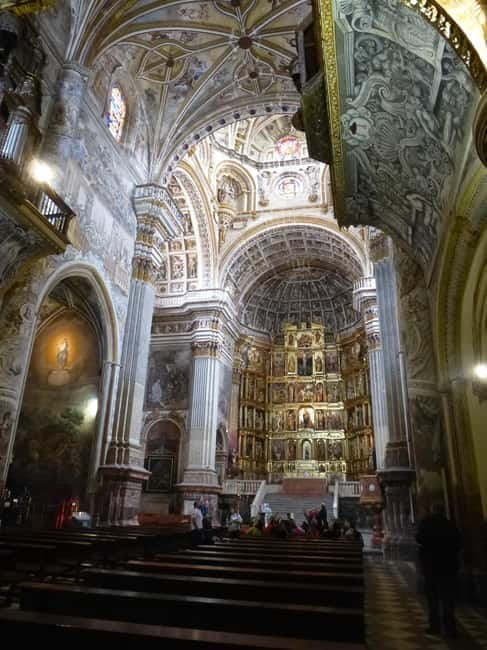
Two things I particularly like about this experience are the stunning facade of the church, crafted by Diego de Siloé, and the impressive Renaissance and Gothic architecture that resonates throughout the monastery. The second is the remarkable art collection—from the altarpiece to religious sculptures—that you can admire, especially in the Church’s Main Chapel.
A possible drawback is that access is limited—the cloistered Empress Cloister is off-limits, and there’s no guided tour included in the standard ticket, which might leave some wanting more context or personalized insights. Still, for those who enjoy self-guided exploration and beautiful architecture, this site offers plenty of value.
Key points / Takeaways
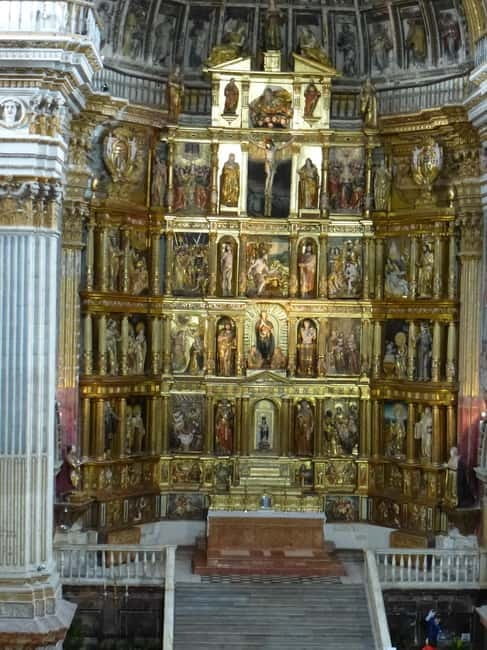
- Historical Significance: Founded by the Catholic Monarchs, the monastery has seen many phases of use, from religious center to barracks, and back to a religious community.
- Architectural Highlights: The facade by Diego de Siloé and the Gothic-style Processional Cloister are highlights, showcasing both Renaissance and Gothic craftsmanship.
- Art and Relics: The Main Chapel’s Renaissance altarpiece and the Child Jesus of the Battles statue are among noteworthy visual treasures.
- Limited Access Areas: The Empress Cloister is not open to visitors, but the other parts of the monastery are rich with art and history.
- Audio Guide Included: The ticket comes with a smartphone-compatible audio guide, allowing you to explore at your own pace—an excellent feature for independent travelers.
- No Guided Tour: If you’re hoping for guided commentary, you’ll need to arrange that separately, as it’s not included.
Walking into Granada’s Monastic World: The Entrance and Exterior
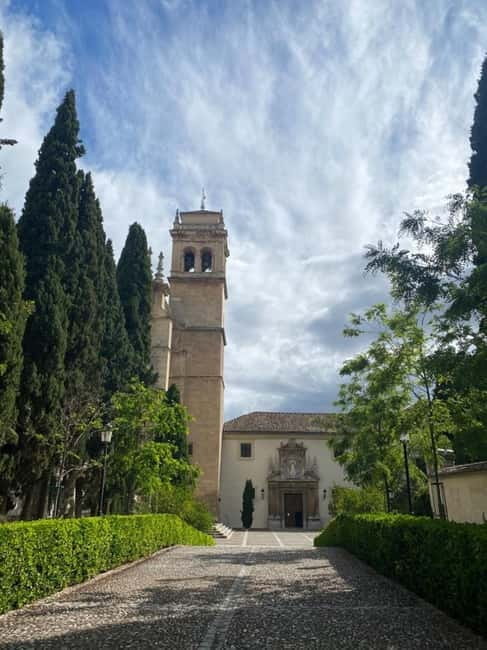
The first thing that strikes you is the beautiful facade of the church, designed by notable architects like Diego de Siloé. It’s a fine example of Renaissance style infused with Gothic elements, giving it an elegant yet historic air. As you step into the Compass, you cross from the city’s lively streets into a space of calm and reflection.
Many visitors have praised this transition point as a kind of threshold between the hustle of Granada and the silence of the monastery. Viviane’s review captures this well: “MAGNIFISUE… à ne pas rater, les peintures de l’église donnant sur le cloître sont époustouflantes,” highlighting just how memorable the church’s paintings and architecture are.
Tip: Arriving early or late in the day might help you avoid crowds and better appreciate the tranquil atmosphere.
Here are more great tours and experiences we've reviewed in Granada
The Gothic Processional Cloister: Heart of Monastic Life
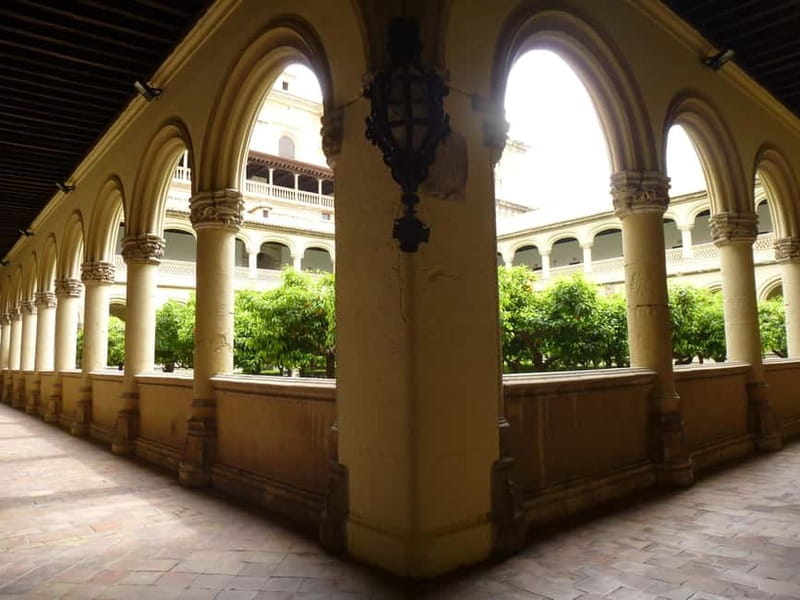
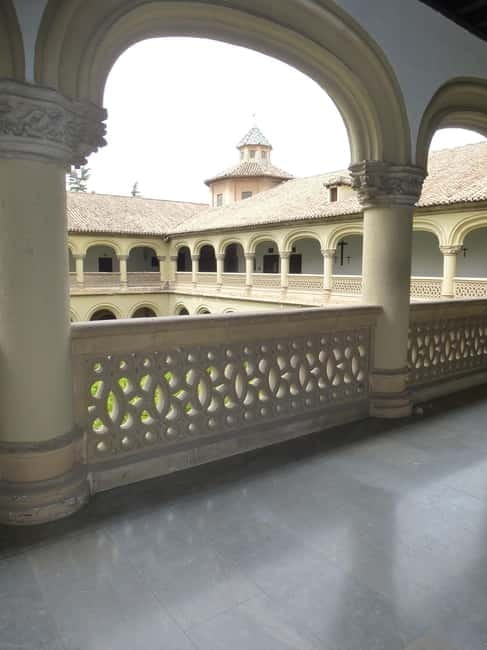
Once inside, the Processional Cloister is where you will spend most of your time. Its Gothic style, with pointed arches and elegant columns, reflects the period when the monastery thrived. This space was the hub of daily life for the monks—where they conducted processions, prayer, and contemplation.
Access to the cloistered areas where the Hieronymite Mothers live is restricted, but you can glimpse the Empress Cloister from a distance, where Isabel of Portugal stayed in 1526. This historical connection adds a layer of regal significance, reinforcing the monastery’s importance in Spanish history.
Visitors often comment on the peacefulness of this space—an ideal spot for quiet reflection or just soaking in the centuries of devotion that have taken place here.
The Refectory and Profundis Room: Culinary and Spiritual Insights
The Refectory, or communal dining hall, offers a glance at how monks shared their daily sustenance—though not all parts are open to the public, the history resonates. Paired with the Profundis Room, where monks might have reflected on spiritual matters, these spaces highlight the monastery’s dual focus on both physical sustenance and spiritual nourishment.
While not detailed in reviews, their inclusion in the ticket points to an appreciation for the monks’ daily routine—a behind-the-scenes look for those interested in monastic life.
The Sacristy and Religious Art: A Treasure Trove
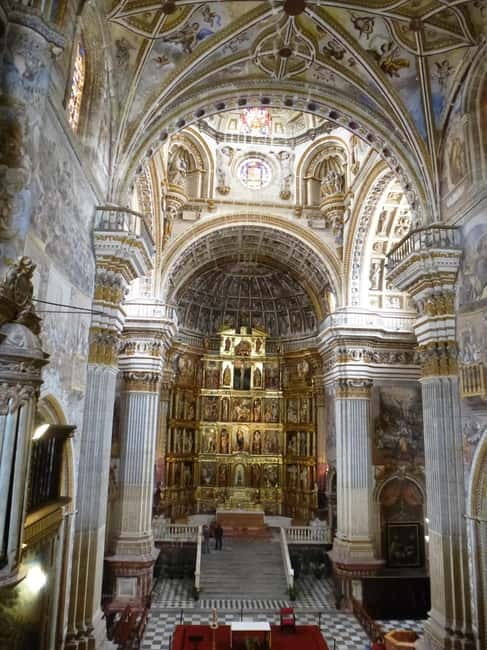
The sacristy contains notable religious artifacts, including the Child Jesus of the Battles—an image that accompanied the victorious campaigns of the Great Captain, linking history with faith. The artworks within the monastery reflect a blend of artistic styles, from Renaissance to Mannerist, with contributions from notable artists like Juan de Aragón and Pedro de Orea.
This collection offers a visual feast for art lovers, and many reviews praise the altarpiece in the Main Chapel for its craftsmanship. One reviewer states: “Les peintures de l’église donnant sur le cloître sont époustouflantes,” emphasizing the stunning paintings that adorn the church walls.
More Great Tours NearbyThe Church of the Immaculate Conception: Artistic Masterpieces
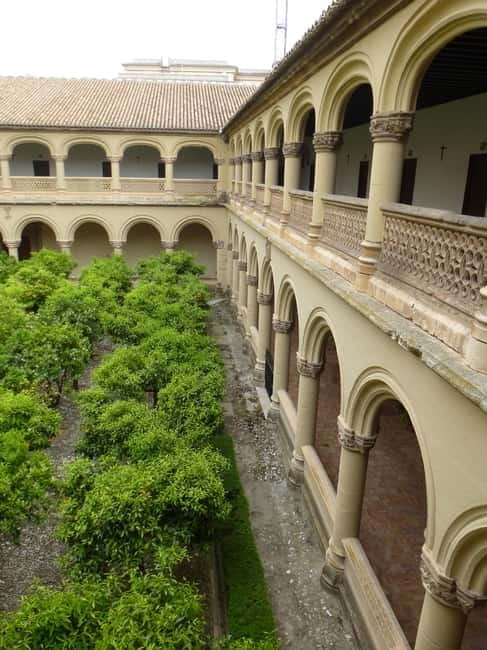
The Church itself is a highlight, especially the Main Chapel, built for the Duchess of Sessa as a pantheon for her husband, the Great Captain. The combination of Renaissance architecture and Mannerist altarpiece work by multiple artists makes it a space both beautiful and historically significant.
Expect to admire detailed artwork and intricate woodwork, which reflect the monastery’s importance as an artistic site. The altarpiece is often singled out as a must-see feature, with reviews mentioning the quality and craftsmanship.
- Granadas Hidden Treasures: Albayzin and Sacromonte Walking Tour
- Alhambra Skip-The-Line Private Tour Including Nasrid Palaces
- Traditional Flamenco Show at Tablao Casa Ana
- Segway Your Way Through Granadas History: The Ultimate Ride
- Golden Hour in Granada: Sunset Walking Tour With Play Granada
- Alhambra Highlights Private Tour With Nazaries Palaces
Practical Tips and Visiting Logistics

Your ticket includes an audio guide on your smartphone, which is a major advantage—freeing you from group schedules and allowing you to explore at your own pace. The one-day validity means you should plan to visit during daylight hours, as the site isn’t open 24 hours.
Note that the experience is not suitable for wheelchair users, and certain restrictions, like no smoking, food, drinks, or pets (except assistance animals), apply.
Price-wise, the ticket represents good value considering the depth of the spaces you’ll access and the art you’ll encounter. Since guided tours are not included, if you crave a deeper narrative, consider hiring a guide separately or using the provided audio guide.
Who Will Love This Experience?
This visit is perfect for those who enjoy art, architecture, and history, especially if you prefer exploring independently. It’s well-suited for travelers who appreciate quiet, contemplative spaces and are interested in seeing a lesser-known side of Granada beyond the Alhambra and bustling streets.
It’s also ideal for art enthusiasts, given the detailed altarpieces and paintings, and for history buff who enjoy understanding Spain’s religious and royal past through architecture and relics.
The Sum Up: A Quiet Gem with Rich Details
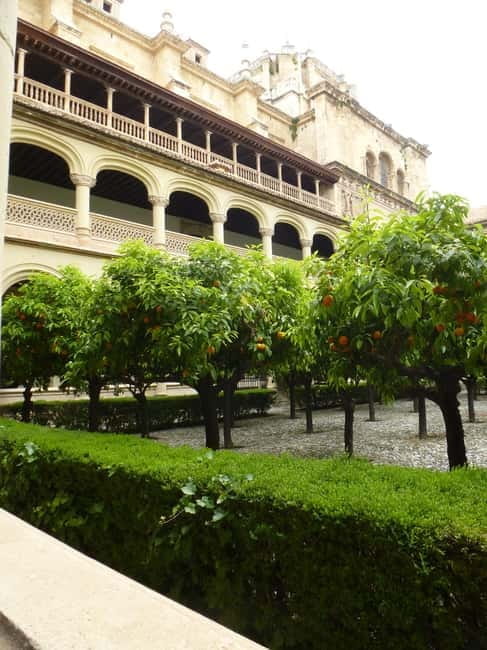
The Monastery of San Jerónimo in Granada offers a calm, visually stunning journey into Spain’s religious and artistic heritage. While it might lack guided tours, the inclusion of an audio guide and the focus on architecture and art make it a worthwhile stop.
If you’re someone who values self-paced exploration and appreciates historic craftsmanship, this site will leave you with a deeper sense of the city’s spiritual history and artistic grandeur. The peaceful cloisters, stunning facade, and sacred art make for a memorable visit—one that complements Granada’s more famous sights beautifully.
For travelers eager to see an authentic monastic environment and enjoy some of Spain’s finest religious art, this experience hits the mark. Just remember, it’s best suited for those who enjoy quiet reflection and detailed architecture—no rush, no crowds, just a chance to connect with centuries of faith and artistry.
FAQ
Is the ticket valid for multiple visits?
No, the ticket is valid for one day only, so plan your visit accordingly to make the most of your time.
What parts of the monastery are included in the ticket?
The ticket grants access to the Compass, Processional Cloister, refectory, profundis room, two chapter rooms, sacristy, and the church.
Can I access the Empress Cloister?
No, the Empress Cloister is a cloistered area reserved for the Hieronymite Mothers and is not open to visitors.
Is there a guided tour included?
No, but an audio guide app is included on your smartphone for self-guided exploration.
Is this experience suitable for wheelchair users?
No, it is not recommended for wheelchair users due to access limitations.
Are pets allowed inside?
Pets are not permitted, except assistance dogs.
What is the best time to visit?
Check starting availability, but arriving early or late can help avoid crowds and enjoy a more peaceful experience.
In short, the Monastery of San Jerónimo is a peaceful, art-filled spot that offers a wonderful insight into Granada’s monastic past. Whether you’re passionate about architecture, art, or history, this site provides a meaningful and authentic experience away from more crowded attractions.
You can check availability for your dates here:More Tickets in Granada
More Tour Reviews in Granada
Not for you? Here's more things to do in Granada we have recnetly reviewed
- Granada: Thermal Spa Circuit with Optional Massage
- Granada private guided city tour
- Highlights of Granada & Winetasting
- The Soul of Flamenco
- Peaceful Family walking tour in Granada
- Sierra Nevada: Private E-bike ride to 3000 meters (11000 ft)
- Granada: Los Amayas Cave Traditional Flamenco Show
- Granada: Family Canyoning in Río Verde
- Granada: Sierra Nevada Veleta Peak Trek with Lunch
- Granada: Alhambra & Albaicín Walking Tour with Nasrid Palace
- Unique Sites of Granada Walking Tour for Couples
- Private Official Guide Alhambra (tickets not included)