
A Walk Through Berlin’s Past and Present: World Clock to World Heritage & WWII Tour
Exploring Berlin on foot offers a chance to connect with a city layered in fascinating history. This guided walk, lasting about 90 minutes, takes you through the heart of Berlin’s most iconic sights while weaving in stories spanning over 800 years. From the bustling Alexanderplatz to the UNESCO World Heritage Museum Island, this tour offers a compact yet comprehensive glimpse of Berlin’s evolution—from its regal past, through the scars of WWII, to its modern architectural mosaic.
What I particularly appreciate about this experience is how it combines main attractions with historical insights, making every stop meaningful. The guide, a local Berliner with a background in history and journalism, is both knowledgeable and engaging, adding personality and context to the sights. Plus, the fact that you get to pick a free ‘Made in Berlin’ souvenir offers a fun keepsake that’s suitable for all ages.
One consideration, however, is the duration and pace—at just 90 minutes and around 1 km walking, it’s a brisk overview. If you’re looking for a deep dive into Berlin’s history or architecture, you might want to pair this with longer visits or separate tours. But for an efficient introduction and a bit of inspiration, this walk hits the right notes.
Key points / Takeaways
- Compact yet comprehensive: Covers Berlin’s main sights and over 800 years of history in just 90 minutes
- Historical focus: Understand how WW2 bombs and battles shape the cityscape today
- Architectural diversity: From Baroque to Bauhaus and Brutalism, see Berlin’s evolving styles
- Local insights: Guided by a passionate Berliner with a rich background in history and media
- Family & pet friendly: Suitable for all ages, groups, and even four-legged friends
- Practical perks: Free water, protective gear, and a souvenir add value to the experience
Entering the Heart of Berlin: Starting at the World Clock
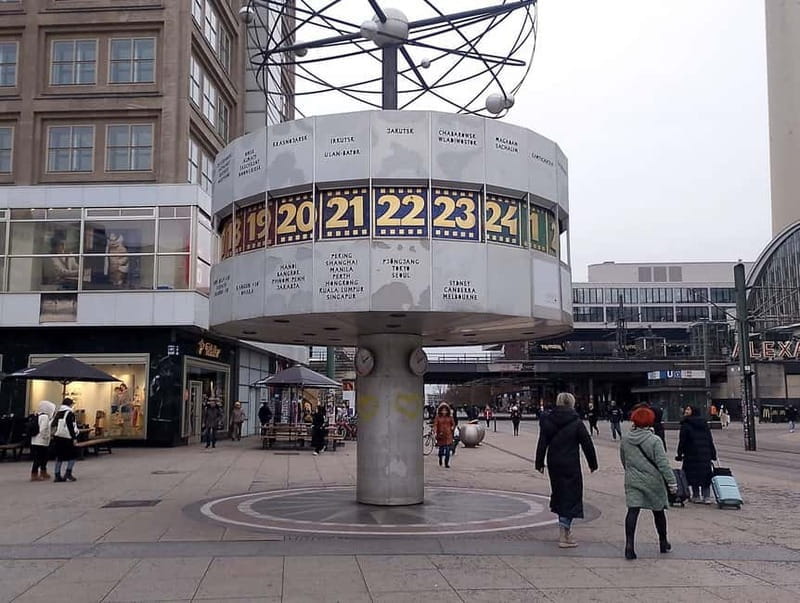
The tour kicks off at the famous Weltzeituhr (World Clock) at Alexanderplatz, a favorite meeting spot and a cool photo op. This iconic structure, no doubt, is a symbol of Berlin’s embrace of global time and unity. From here, you get an immediate sense of how central Alexanderplatz is to city life—a bustling hub with history, commerce, and modernity intertwined.
The guide, easily recognizable in a red cap with a Berlin Bear patch, sets the tone with local anecdotes and historical context. It’s a good starting point because the clock itself is a fascinating blend of modern engineering and Cold War symbolism, making it a perfect anchor for a history walk.
If you're enjoying exploring Berlin on foot, you'll love these other walking tours we recommend
Berlin TV Tower: An Unmissable Landmark
Next, you’ll stop at the Fernsehturm (TV Tower)—Berlin’s tallest structure and a symbol of the city’s post-war recovery. Though you won’t go inside, the guide shares stories about its construction and significance. I love the way the tower’s sleek, modern design contrasts with the nearby historic buildings, visually telling the story of Berlin’s layers.
From here, you’ll get some of the best photo opportunities of the city’s skyline. The guide suggests the best angles and times of day if you want to capture the views, which is handy if you’re planning to return for a longer visit.
Rotes Rathaus & Nikolaiviertel: Architectural & Historical Insights
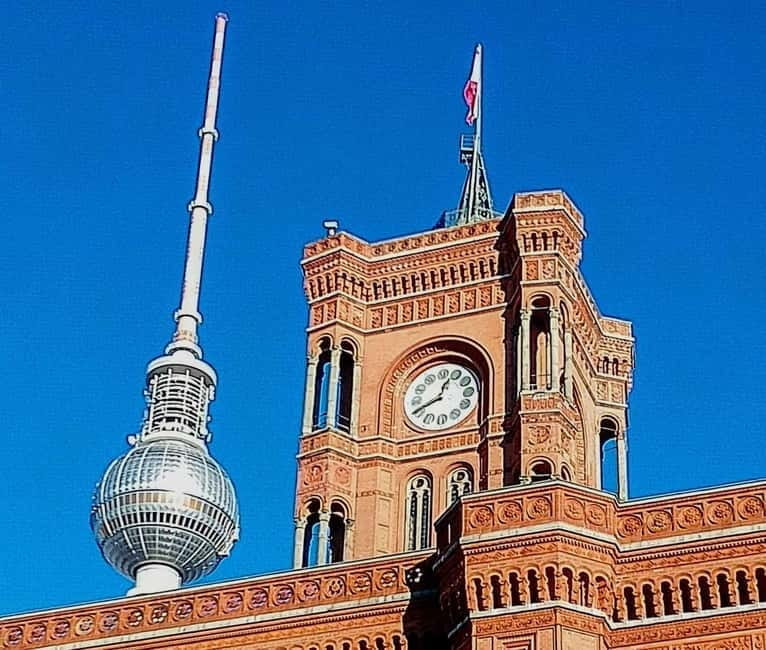
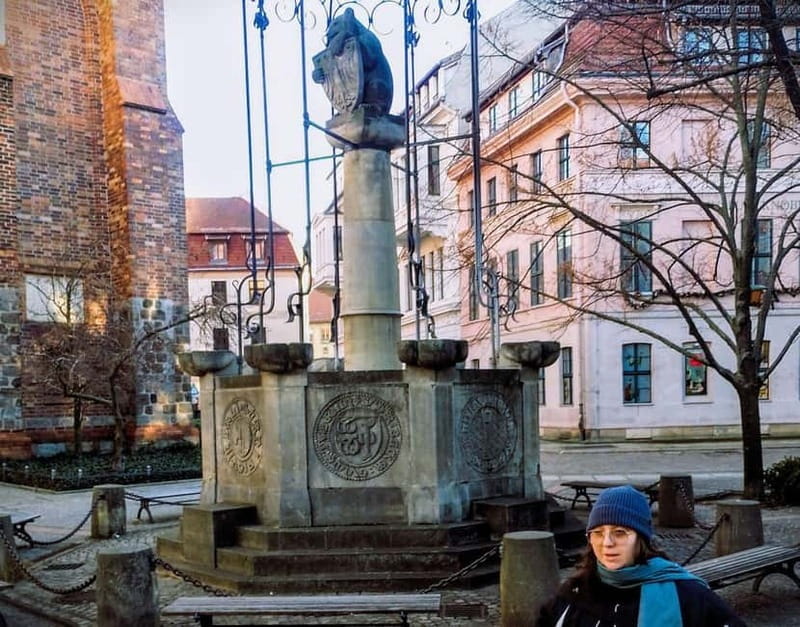
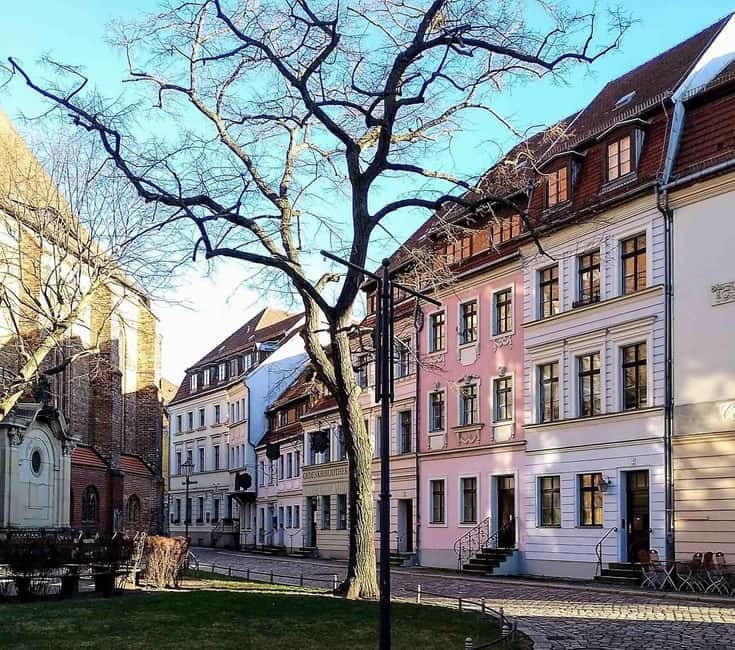
The Rotes Rathaus (Red City Hall) is a striking red brick building, which houses Berlin’s city government. It’s a good spot to understand how Berlin has reconstructed and preserved its civic architecture. Just nearby, the Nikolaiviertel offers a charming medieval feel—a reminder of Berlin’s origins as a medieval trading town.
The guide points out details like the oldest parts of the city and explains how war damage and redevelopment changed the neighborhood. These stops are not just photo opportunities—they’re stories in stone, illustrating Berlin’s resilience and its continuous reinvention.
The Spree River and Berlin Cathedral

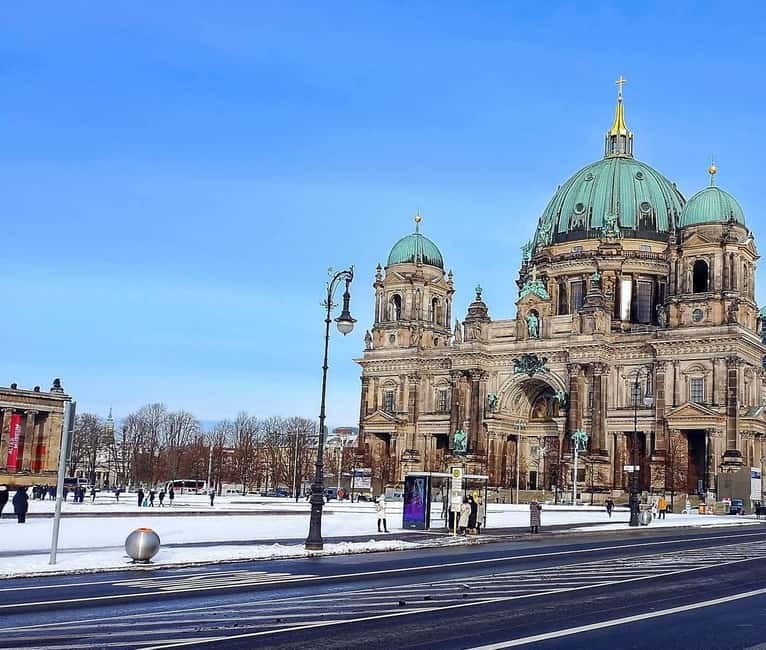
Walking along the River Spree, you’ll see how water has always been central to Berlin’s life and growth. The Berlin Cathedral (Berliner Dom), with its impressive dome and intricate façade, is a highlight I particularly enjoy. The guide shares fascinating facts about its construction, damage, and restoration—plus, tips on best angles for photos.
For many travelers, the cathedral’s blend of Baroque and Renaissance styles provides a tangible sense of Berlin’s architectural diversity. It’s a good spot for a moment of reflection before moving onward.
More Great Tours NearbyMuseum Island & UNESCO World Heritage Status
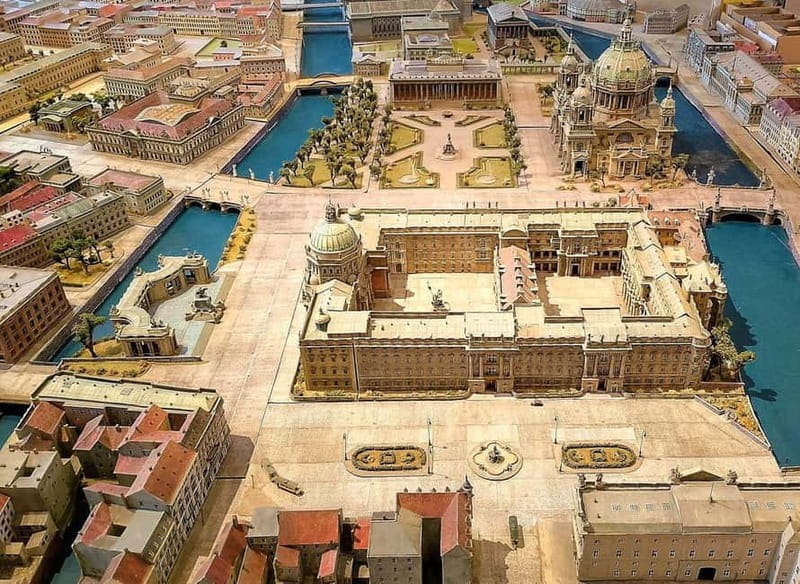
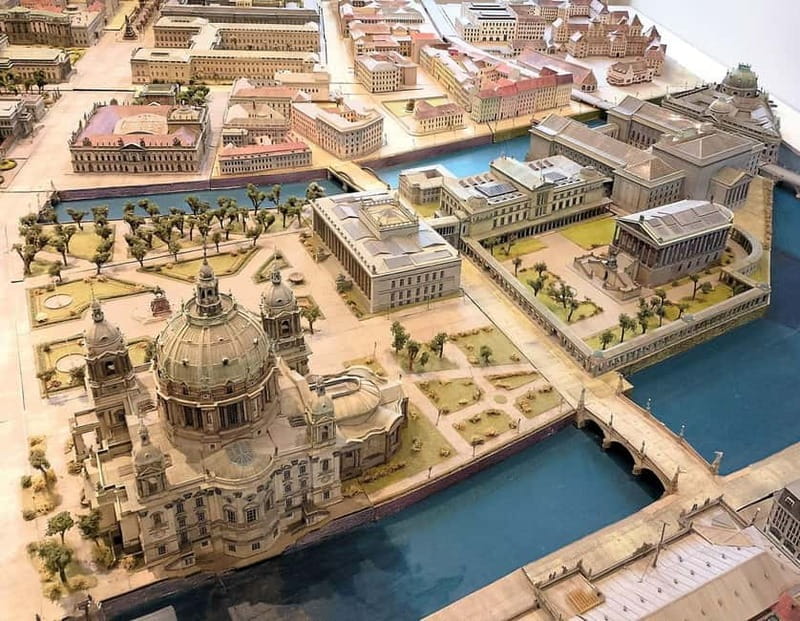
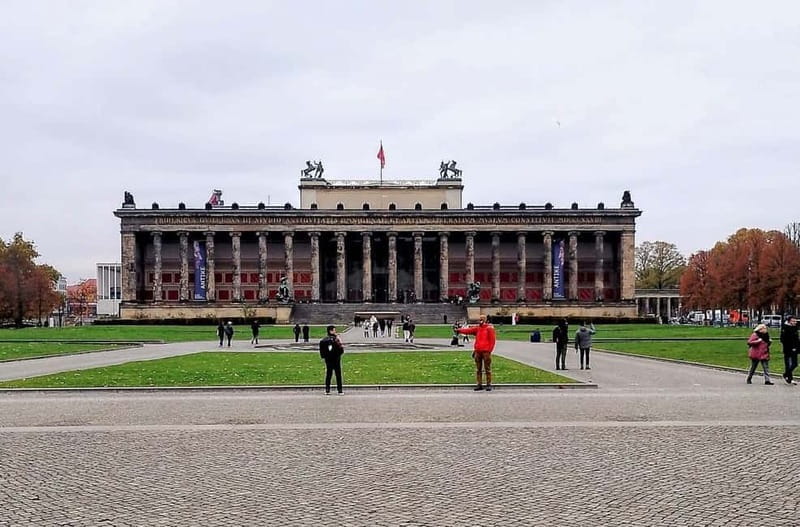
No visit to Berlin is complete without a glance at Museum Island, a UNESCO site packed with world-class museums. Although the tour doesn’t go inside, it offers a comprehensive look at the city model from 1900—a mini-lesson in how Berlin’s core has shifted and expanded over the years.
The guide emphasizes the impact of WW2 bombs on the area, explaining how many buildings were destroyed and later reconstructed. Walking past the island, you gain insight into the layered history — from the grand Prussian palaces to modern reconstructions like the Humboldt Forum, which now hosts some of Germany’s most visited exhibitions.
Fascinated by Berlin's past? More historical tours we've covered
- Private Berlin Complete History All Day Walking Tour
- The History of Berlin: WWII PRIVATE Walking Tour With Locals
- Berlin Craft Beer and Cultural Tour With Snacks
- Berlin History Walking Tour With a French-Speaking Guide
- Historic Center of Berlin – Tour in English
- Third Reich and Berlin Wall History 3-Hour Bike Tour in Berlin
The Royal City Palace & Humboldt Forum: End of the Journey
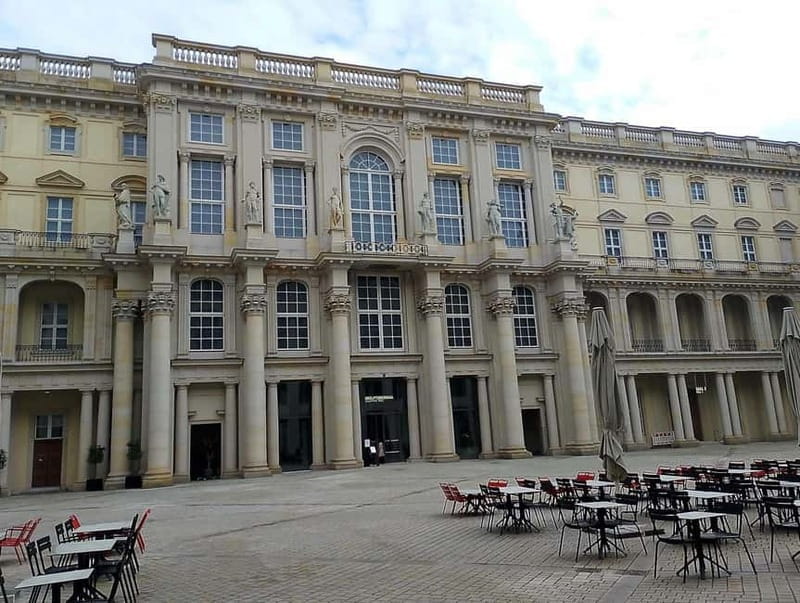
The walk concludes at the Humboldt Forum, situated in the reconstructed Royal City Palace, which itself symbolizes Berlin’s complicated relationship with its past. The tour ends here, but the area invites further exploration. The guide’s tips for additional activities, museums, and local eateries are a real bonus, helping you plan your next steps.
Who Should Take This Tour?
This walk is ideal for first-time visitors wanting a broad overview, especially if they prefer a manageable pace. It’s suitable for families, singles, groups, and pet owners, given the accessibility and friendly tone. If you’re interested in how WW2 shaped Berlin or want a quick but meaningful introduction to its different architectural eras, you’ll find this tour quite valuable.
The cost is reasonable considering the inclusions: a guided walk, free water, a souvenir, and helpful local tips. It’s a smart way to get your bearings before venturing deeper into Berlin.
Price and Practical Info
While the tour doesn’t include entrance fees to attractions, it’s designed as an overview to help orient you. The walk is wheelchair accessible, but note that it doesn’t cover some major sights like the Brandenburg Gate and Reichstag—those are better suited for separate tours like the popular “East West & Wall Tour.”
The tour’s duration of 75-90 minutes means it’s a quick snapshot, perfect for a morning or early afternoon activity. Meeting at the World Clock makes logistics straightforward, especially if you’re arriving via Alexanderplatz’s metro or subway.
Final Thoughts: Is It Worth Your Time?
If you’re eager for a friendly, informative introduction to Berlin’s main sights and history, this walk offers good value. It’s especially suitable if you appreciate local insights—your guide’s background in history and journalism shines through. The combination of iconic landmarks, historical storytelling, and practical tips makes it a well-rounded experience.
While it doesn’t replace more in-depth or specialized tours, it provides a solid foundation for your Berlin adventures. And, with the added bonus of a free souvenir and practical advice, it’s a straightforward, enjoyable way to get your bearings.
FAQs
Is this tour suitable for families with kids?
Yes, it’s family-friendly and pet-friendly, with a relaxed pace. Kids and adults alike can enjoy the sights, plus there’s a free souvenir suitable for all ages.
How long is the walking distance?
The route covers approximately 1.4 km, which is less than a mile, making it manageable for most people. It lasts around 75-90 minutes, depending on stops and discussions.
Do I need to pre-book?
Yes. You can reserve your spot in advance, and the tour offers free cancellation up to 24 hours beforehand, providing flexibility.
Are entrance fees included?
No, the tour doesn’t include entrance fees to attractions. It focuses on outside sights and historical context, making it a cost-effective way to orient yourself.
What should I bring?
Comfortable shoes are essential. Also, consider bringing a hat, umbrella, water, and gloves if needed—these accessories are provided for free if the weather warrants it.
Can I join if I have mobility issues?
The walk is not suitable for people with mobility impairments or wheelchair users, as it covers some uneven terrain and moderate walking.
In summary, this 1.5-hour guided walk offers an engaging, insightful, and practical way to start your Berlin visit. It pairs iconic sights with stories that reveal how history and architecture shape the city. Whether you’re a history enthusiast or just want a friendly overview, it’s a worthwhile addition to your Berlin itinerary.
You can check availability for your dates here:More Historical Tours in Berlin
- Small group Potsdam: A Journey Through History and Palaces
- Berlin Uncensored: A History of Sex & Freedom
- Private Berlin Rickshaw- Historical Berlin Up to 6 People
- Street Art & Berlin Gay, Queer, Trans History + Free Gay Map
- Berlin: Jewish Heritage Walking Tour
- Berlin: Cold War History and Berlin Wall Guided Walking Tour
More Walking Tours in Berlin
- Berlin: Hidden gems around the Gendarmenmarkt – Guided walking tour
- Berlin: History of the Third Reich Guided Walking Tour
- East Berlin and the Wall: Walking Tour
- Karl-Marx-Allee Walking Tour: Berlins Socialist History
- Berlin Friedrichshain: Urban Walk of Grit and Gentrification
- RedTown Hall Christmas Market & City Highlights Walking Tour
More Tour Reviews in Berlin
Not for you? Here's more things to do in Berlin we have recnetly reviewed
- Potsdam: 5-Hour-Tour “Parks & Palaces” from Berlin by VW-Bus
- Berlin: guided canoe | kayaktour
- Berlin: 3-Hour Guided Small Group Fat Tire E-Scooter Tour
- Rickshaw private driver, shared Guide Berlin Highlights
- Berlin: Madame Tussauds Happy Hour Ticket
- Berlin: Green City Guided Bike Tour
- VIP Warnemünde-Berlin: Private Shore Excursion with a Van
- Understanding Kreuzberg: The roots of local (sub)culture
- Tranfer with small or Bigger introduction Tour Berlin
- Private Tour – Highlights of Berlin for Families
- Berlin: Germany’s Very first Craft Beer Tour and Experience
- Private Highlights of Berlin Bike Tour