
Discover the fascinating story of Berlin’s LGBTQ+ community on a 3-hour walking tour that covers the city’s pioneering role in queer history. This experience, offered by insightcities.com, takes you through iconic neighborhoods like Schöneberg—the world’s first gay ghetto—and immerses you in stories of activism, nightclubs, and cultural milestones that have made Berlin a symbol of queer resilience. It’s a perfect blend of historical education and authentic local flavor.
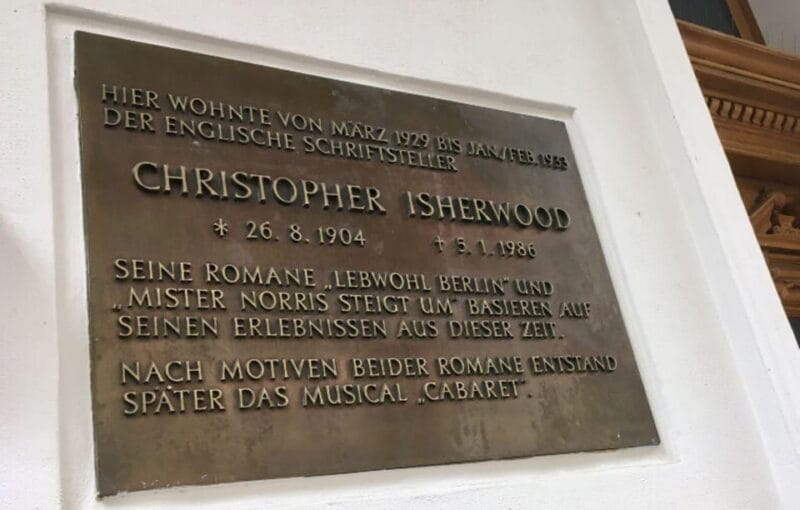
What I love most about this tour is how it combines detailed storytelling with visits to real, tangible sites—like the former flat of Christopher Isherwood, whose Berlin adventures inspired Cabaret, and the colorful monument to the Gay Emancipation Movement. The guide’s deep knowledge and engaging narrative bring history to life in a way that’s both fun and enlightening. Plus, the focus on key figures like Magnus Hirschfeld, the founder of the Institute for Sexual Science, adds a layer of depth that you won’t get from typical city tours.
One thing to keep in mind is the walking nature of the tour. It’s well-paced and manageable for most, but if you have mobility concerns, it’s worth reaching out beforehand. The price of $125 per person offers good value considering the detailed insights, site visits, and the fact that small or private groups are an option for a more personalized experience.
This tour is a treasure for anyone interested in Berlin’s LGBTQ+ past and present—whether you’re a history enthusiast, a queer traveler, or simply curious about how a city became a beacon of queer activism and culture. It’s not just about sightseeing; it’s a journey into a community’s resilience, creativity, and ongoing story.
Key points / Takeaways
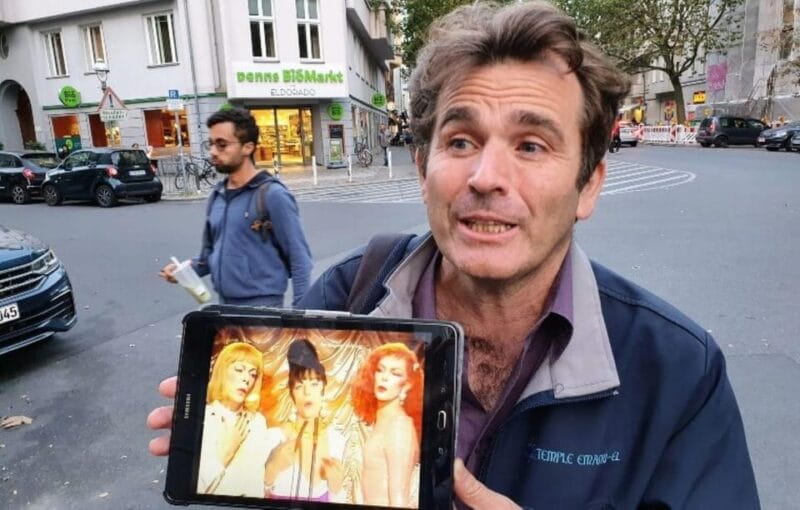
- Focus on Berlin’s LGBTQ+ pioneers and activists: Learn about Magnus Hirschfeld, Christopher Isherwood, Romy Haag, and others who shaped queer history.
- Visit the world’s first gay ghetto: Schöneberg, known for its legendary bars, nightclubs, and history as a safe haven for LGBTQ+ Berliners.
- Historic sites with stories: From the Institute for Sexual Science to the former El Dorado Cabaret, each stop reveals a layer of queer life through the decades.
- Insightful storytelling: Guides like Dan bring history to life with personal stories, insider tips, and cultural context.
- Authentic, tangible experiences: See real sites where icons like Marlene Dietrich and David Bowie crossed paths, and pay homage at the Gay Emancipation monument.
- Educational and emotional: Understand the profound struggles and triumphs of Berlin’s queer community, from Weimar glamour to Cold War repression.
Exploring Berlin’s Queer Roots: An In-Depth Review
Here are more great tours and experiences we've reviewed in Berlin
Introducing the Tour: A Walk Through Berlin’s LGBTQ+ Heritage
This 3-hour guided walking tour offers a captivating look into Berlin’s status as a birthplace of LGBTQ+ movements. Led by knowledgeable guides, such as Dan, the experience promises a balanced mix of storytelling, site visits, and historical insights. It’s designed for travelers who want more than just surface-level sightseeing—this is about understanding how Berlin became a beacon of queer culture and activism.
Two features I particularly appreciate are the focus on key historical figures like Magnus Hirschfeld, and the opportunity to see the actual sites that were pivotal in shaping queer history. For instance, visiting the monument to the Gay Emancipation Movement in Tiergarten offers a vibrant visual reminder of the community’s ongoing fight for rights. Also, the tour’s inclusion of Christopher Isherwood’s former flat helps connect literary legacy to Berlin’s broader LGBTQ+ narrative.
A potential consideration is that the tour involves walking through various neighborhoods, such as Schöneberg, which might not suit travelers with limited mobility. It’s worth noting that the tours are private or small groups, making it easier to tailor the experience if needed.
The Itinerary: From Pioneers to Nightlife
The tour kicks off at the colorful monument dedicated to Berlin’s Gay Emancipation Movement, where your guide will describe the significance of Magnus Hirschfeld. As you stroll through Schöneberg—once the world’s first gay ghetto—you’ll encounter legendary sites, such as the former nightclubs and bars that flourished during the Weimar Republic. According to reviews, guides do an excellent job of bringing these locations to life with stories of legendary figures and underground nightlife.
One highlight is visiting the site of the Institute for Sexual Science founded by Hirschfeld, who was a trailblazer in gay rights and coined the term “transsexualism.” His work was groundbreaking but was tragically destroyed by the Nazis in 1933. The guide might tell you how Hirschfeld also co-created the first pro-gay film in 1919, Anders als die Andern, which further underscores Berlin’s role as a cultural hub for queer activism.
Moving along, the tour touches on the infamous El Dorado Cabaret, where Marlene Dietrich performed before her international fame. The site’s history is intertwined with notable regulars like Ernst Röhm—who was later executed during the Night of the Long Knives—highlighting Berlin’s complex relationship with gay figures in politics and entertainment.
Historic and Cultural Touchpoints
The tour pays homage to Romy Haag, a legendary transgender performer from the 70s who met David Bowie here, inspiring Bowie’s song Heroes. Hearing about these iconic figures adds a human element that makes the history feel alive. The guide’s storytelling combines personal anecdotes with broader social context, making the narrative compelling.
Beyond nightlife, the tour explores early gay figures like Friedrich the Great and Alexander von Humboldt, revealing how their discreet lifestyles contributed to Berlin’s reputation as a city that concealed and celebrated queer identities simultaneously.
A visit to Alexanderplatz offers a stark contrast, illustrating the suffering of LGBTQ+ people behind the Iron Curtain during the Cold War, giving a full picture of Berlin’s ongoing LGBTQ+ story through different eras.
More Great Tours NearbyThe Guide: A Wealth of Knowledge
The reviews emphasize guides like Dan as being fantastically knowledgeable and engaging storytellers. As one reviewer notes, the guide’s “fantastic storytelling brought the history of Berlin’s queer scene to life,” which is a key reason to book this experience. The guides don’t just recite facts—they weave stories that make history resonate.
Price, Duration, and Value
At $125, the tour offers good value considering the depth of stories, site visits, and the small group setting that enhances intimacy. It’s a well-paced 3-hour walk, making it manageable even for those with moderate stamina. Since the tour is available in both private and small group formats, it’s flexible for different traveler needs.
Who Will Love This Tour?
This experience is perfect for history buffs, LGBTQ+ travelers, or anyone interested in understanding Berlin beyond its famous landmarks. If you enjoy stories about activism, nightlife, and cultural icons, this tour offers a unique window into Berlin’s soul. It’s especially suited for those who appreciate guided storytelling with local insights and want to connect historical sites with personal stories.
Final Thoughts: A Must for Curious Travelers
This tour shines when it comes to authenticity and detail. You’re not just ticking off sights; you’re gaining a nuanced understanding of Berlin’s LGBTQ+ history, from early pioneers to modern-day activism. The inclusion of renowned sites, stories of legendary figures, and the opportunity to learn from passionate guides makes this a compelling addition to any Berlin itinerary.
While it’s a walking tour, the manageable pacing and small groups ensure a comfortable experience. Its focus on significant sites, combined with engaging storytelling, makes it more than just a sightseeing trip—it’s a cultural journey through a city that has long been a symbol of queer resilience and innovation.
If you’re interested in LGBTQ+ history or want to see Berlin through a different lens, this tour offers a thoughtful, lively, and deeply informative exploration. It’s a solid choice for travelers seeking meaningful experiences that go beyond the usual tourist track.
FAQ

Is this tour suitable for people with mobility issues?
Since it’s a walking tour through various neighborhoods, it’s best to contact the provider if you have concerns about mobility. They can advise or help tailor the experience.
How long is the tour and what’s included?
The tour lasts about 3 hours and includes insights into Berlin’s LGBTQ+ history, visits to key sites, stories of pioneers, activists, and artists, and a focus on Schöneberg’s significance.
What sites will I see?
You’ll see the Gay Emancipation monument, the site of the Institute for Sexual Science, Christopher Isherwood’s former flat, the El Dorado Cabaret, and other historic locations linked to Berlin’s queer past.
How much does it cost?
The tour costs $125 per person, which offers good value considering the depth of storytelling, site visits, and guide expertise.
Are private or small group options available?
Yes, the tour offers private and small group formats, making it flexible and more personalized.
Do I need to prepare anything before the tour?
Just wear comfortable shoes for walking, and reach out if you have specific mobility concerns or want to customize the experience.
What makes this tour different from other Berlin sightseeing experiences?
It’s focused specifically on Berlin’s LGBTQ+ history, combining cultural, political, and personal stories with visits to real sites—delivering a much richer perspective than typical city tours.
This guided tour through Berlin’s queer past offers a meaningful, lively, and authentic perspective on how a city became a hub for LGBTQ+ activism, culture, and history. Perfect for curious travelers eager to understand Berlin’s role as a global symbol of queer resilience, it’s a journey that’s both educational and deeply human.
You can check availability for your dates here:More LGBTQ-Friendly in Berlin
More Tours in Berlin
- Berlin: 2-Hour Premium Segway Tour
- Berlin: Hidden gems around the Gendarmenmarkt – Guided walking tour
- Berlin: Guided group tour of Kreuzberg 36, the alternative district
- Tour in Berlin from Warnemünde and Rostock Cruise Port
- Berlin: Guided Street Food Tour with Tastings
- Potsdam: Original steam ship Gustav from 1908. Coal-fired, boat tour
More Tour Reviews in Berlin
Not for you? Here's more things to do in Berlin we have recnetly reviewed
- Potsdam: 5-Hour-Tour “Parks & Palaces” from Berlin by VW-Bus
- Berlin: guided canoe | kayaktour
- Berlin: 3-Hour Guided Small Group Fat Tire E-Scooter Tour
- Rickshaw private driver, shared Guide Berlin Highlights
- Berlin: Madame Tussauds Happy Hour Ticket
- Berlin: Green City Guided Bike Tour
- VIP Warnemünde-Berlin: Private Shore Excursion with a Van
- Understanding Kreuzberg: The roots of local (sub)culture
- Tranfer with small or Bigger introduction Tour Berlin
- Private Tour – Highlights of Berlin for Families
- Berlin: Germany’s Very first Craft Beer Tour and Experience
- Private Highlights of Berlin Bike Tour