
Discovering Belgrade’s Socialist Brutalist Architecture: A Deep Dive into Yugoslavia’s Urban Identity
Touring Belgrade’s socialist and brutalist architecture offers a fascinating glimpse into a society that was both ambitious and complex. This private tour, lasting about 2.5 hours, takes you through five key buildings, each telling its own story about Yugoslavia’s political, social, and economic landscape. From the modernist Museum of Contemporary Art to the imposing Sava Center, you’ll see how architecture was used as a tool to shape society and project power.
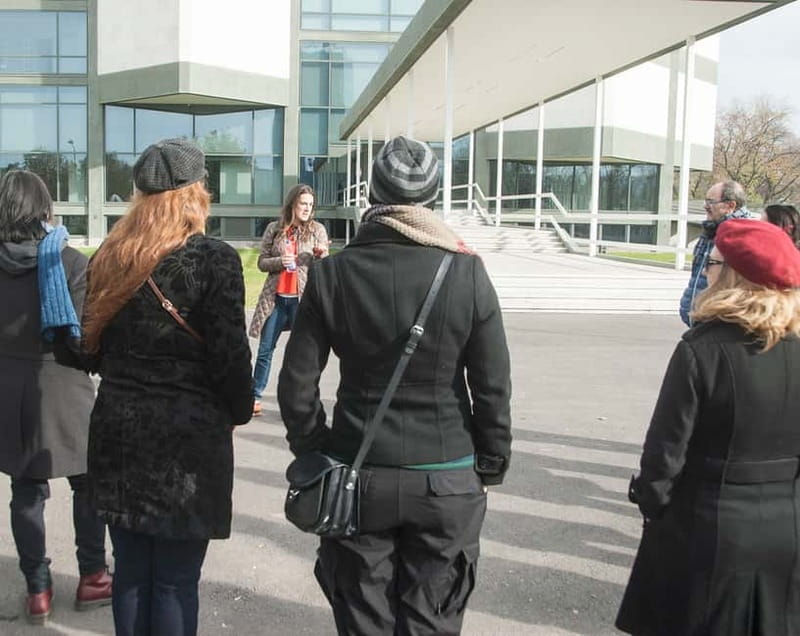
What I really love about this experience is how the guide, an art historian who lived in one of the socialist housing blocks, brings that personal touch and insider perspective to the story. Her anecdotes about life in the blocks during Yugoslavia’s heyday add a layer of authenticity you won’t find in a typical sightseeing tour. The buildings themselves are stunning—not just concrete blocks but works of modernist design that have gained international attention, such as the Genex Tower.
One thing to consider is that this tour focuses heavily on architecture and history, so it’s best suited for those who enjoy detailed stories and authentic urban landscapes. It’s not a casual stroll but a well-paced exploration that combines visual appreciation with storytelling. If you’re expecting a quick overview of Belgrade’s sights, this might be more in-depth than you want. But for those eager to understand how a society built on socialism expressed itself through concrete and design, this tour hits the mark.
Key points / Takeaways
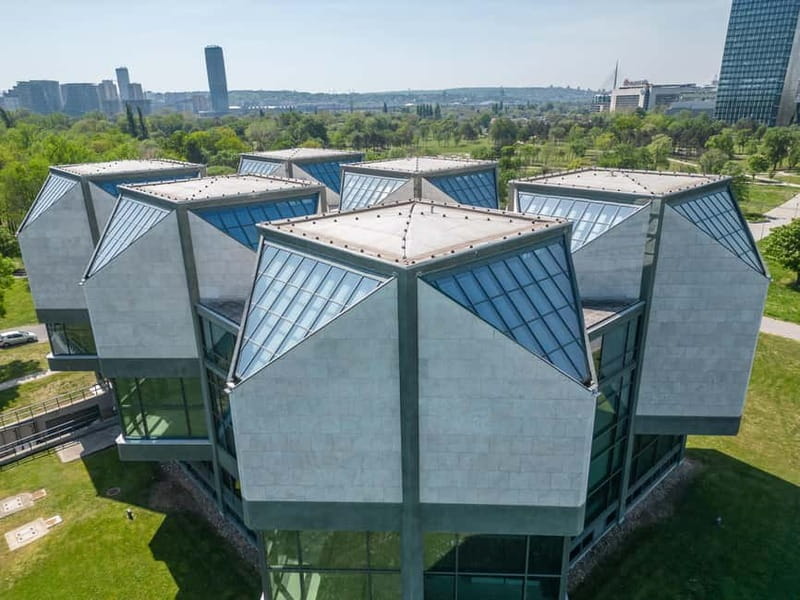
- Architectural stories of Yugoslavia are brought to life through five iconic buildings, each representing different facets of socialist society.
- The guide, a local art historian, shares personal insights and first-hand experiences, making the tour more relatable and authentic.
- Buildings like the Genex Tower and Museum of Contemporary Art are internationally recognized for their design, proving that socialist architecture can be both functional and striking.
- The tour explains the role of architecture in Yugoslav society, from housing for the masses to symbols of political power and international diplomacy.
- A focus on history and architecture reveals how Yugoslavia balanced between East and West, with buildings reflecting a unique non-aligned identity.
- Inclusion of free entry to sites adds value, but note that transportation isn’t provided, so you’ll meet directly at the starting point.
The Unique Charm of a Socialist Cityscape
When I first heard about this tour, I was curious whether it would be just about concrete blocks and government buildings. Surprisingly, it’s much more—an engaging narrative about a society that used architecture to forge a new identity. The tour begins at the Museum of Contemporary Art, a prime example of 1960s modernist design. Its marble facade seems more refined than I expected from socialist architecture, which often gets a bad rap for being purely utilitarian.
What I love most is how the guide, who grew up living in a socialist housing block, shares stories about daily life in the 60s and 70s. Her personal anecdotes about the amenities like shared artist studios and mini shopping malls make the experience tangible. These stories bring out the human side behind the concrete facades, showing that these buildings weren’t just for show—they housed real lives.
Want to keep it personal? More private experiences we love in Belgrade
Friendship Park and the Non-Aligned Movement
Next, we stroll to the Park of Friendship, where the founders of the Non-Aligned Movement planted trees representing peace in 1961. It’s a quiet spot but loaded with meaning, symbolizing Yugoslavia’s attempt to carve out an independent diplomatic path during the Cold War. Here, you’ll learn how architecture and urban planning supported this political stance.
The Yugoslav Government Building: A Symbol of Political Change
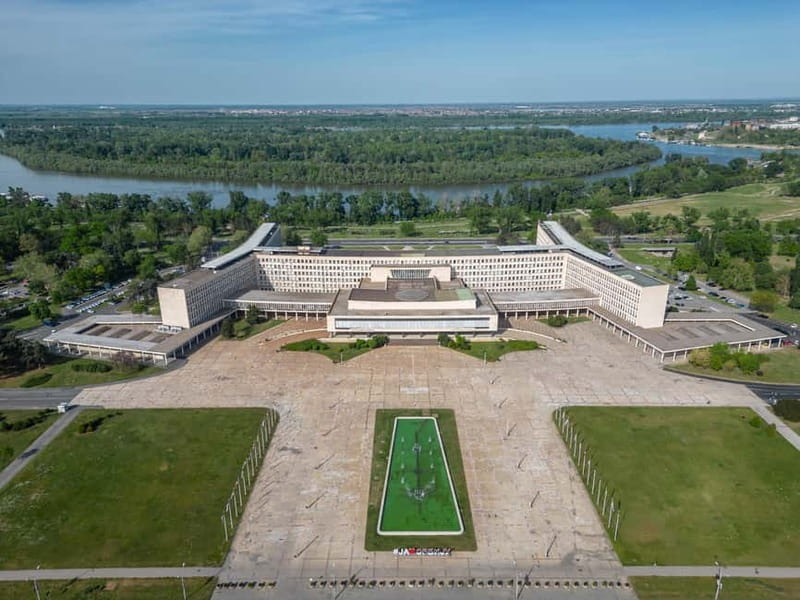
From there, the tour moves past the Palace Serbia, an example of the evolving political landscape. This building, still monumental, reflects a phase when Yugoslavia was balancing between Soviet influence and Western aspirations. The guide explains how the building’s construction was interrupted by political shifts, adding a layer of intrigue to its story.
Genex Tower (Western City Gate): The Postmodern Icon of Brutalism
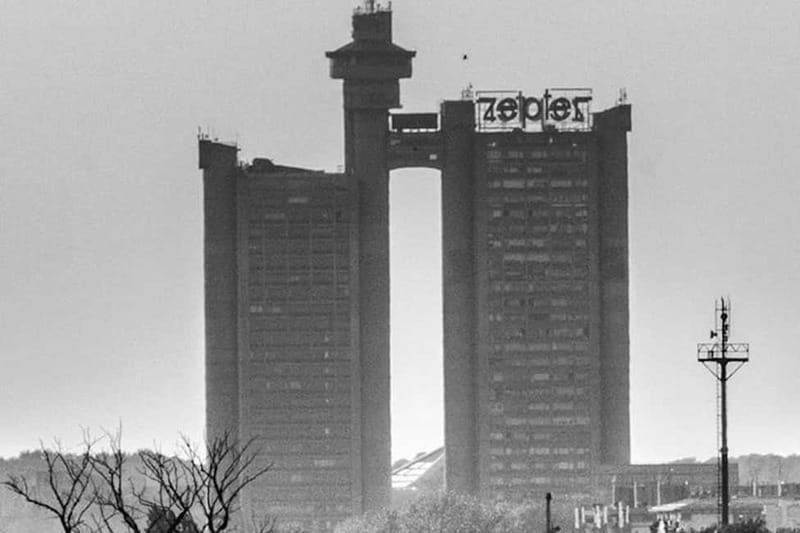
The highlight for many is the Genex Tower, dubbed the Western City Gate—a 30-floor structure that’s become a favorite Instagram spot. It’s often celebrated as the Balkans’ first “smart building” and a prime example of brutalism. Here, we take time to appreciate its bold lines and discuss how Yugoslav companies like Genex matched their capitalist counterparts worldwide, defying stereotypes of socialist economies.
More Great Tours NearbyLiving in Blocks: The Story of Block 23
The tour then visits Block no. 23, a comprehensive example of socialist urban planning. It includes not only housing but also public spaces, schools, and artist studios. The guide shares personal stories of residents, describing the “golden decades” of the 60s, 70s, and 80s, contrasted with the struggles of the 90s. This insight makes it clear that these blocks weren’t just about mass housing—they were communities.
- Northern Serbia: Sremski Karlovci and Novi Sad Full-Day Tour From Belgrade
- Belgrade Nightlife Bar Pub Club Crawl
- Belgrade Big Tour: Top Attractions and Belgrade Neighborhoods
- Taxi To/From Belgrade Airport To/From Belgrade City Center
- Eastern Serbia Monasteries and Resava Cave Tour From Belgrade
- Belgrade War Island Kayak Tour
The Sava Center: A Record-Breaking Congress Hub
Finally, the Sava Center, built in 1977 and nominated for the Pritzker Prize, is a stunning example of rapid construction and international diplomacy. It hosted major events like the Non-Aligned Summit, and surprisingly, it was also where Yugoslavia’s political life took a dramatic turn in 1990. The guide explains how this building symbolizes both Yugoslavia’s ambitions and its eventual unraveling.
Practical Aspects and Value
This private tour costs a fair price considering the depth of stories and exclusive access to architecture you’ll gain. The tour is well-organized, with all venues’ entries included, but keep in mind there’s no transportation provided, so be prepared to meet at the Museum of Contemporary Art and walk between sites.
The tour is wheelchair accessible, and the guides speak English and Italian, making it suitable for an international audience. The personal insights from the guide, who has first-hand experience of living in socialist Belgrade, add a noteworthy dimension that’s hard to find elsewhere—a real sense of what life was like behind the architecture.
Who Will Love This Tour?
If you’re curious about the intersection of architecture, politics, and society, this tour offers a unique perspective. It’s especially suited for travelers with an interest in modernist design, history lovers eager to understand Yugoslavia’s non-aligned stance, or anyone wanting to see a different side of Belgrade beyond its historic old town.
A Few Tips for Travelers
- Dress comfortably, as you’ll be walking between sites.
- Bring a camera—many buildings, especially Genex Tower, make for great photos.
- Arrive a few minutes early at the Museum of Contemporary Art for a smooth start.
- Consider combining this tour with visits to other Belgrade highlights afterward for a fuller experience.
Final Thoughts: Value and Authenticity
This tour provides a well-rounded look at a fascinating chapter of Belgrade’s urban development. It balances detailed historical context with personal stories, making the buildings’ stories come alive. For those interested in architecture’s role in shaping society, this experience offers a rare insider’s view, thanks to a knowledgeable guide and thoughtfully curated stops.
While the focus isn’t on leisure or casual sightseeing, the depth of information and the visual impact of these striking buildings make it a rewarding investment. It’s especially suitable for travelers seeking a meaningful, educational experience that reveals a society’s hopes, struggles, and identity through concrete and design.
This private tour stands out as an authentic and insightful way to understand Belgrade’s unique socialist past—one building at a time.
FAQ
Is this tour suitable for wheelchair users?
Yes, the tour is wheelchair accessible, making it easier for everyone to enjoy the sights and stories.
Do I need to pay extra for entry to buildings?
No, the entrance to the venues we visit is included in the tour price, so you won’t need to pay separately.
Is transportation between sites provided?
No, you will meet at the Museum of Contemporary Art and walk between the stops. It’s a manageable distance, but comfortable shoes are recommended.
Are guides available in languages other than English?
Yes, the tour is led by guides speaking both English and Italian.
How long is the tour?
The tour lasts approximately 2.5 hours, making it a manageable yet immersive experience.
Can I cancel if my plans change?
Yes, you can cancel up to 24 hours in advance for a full refund, providing flexibility for your travel arrangements.
In summary, this private tour of Belgrade’s socialist brutalist architecture offers more than just pictures—it’s an invitation to understand a society through its built environment. Perfect for architecture enthusiasts, history buffs, or curious travelers wanting a meaningful story behind the buildings, it’s a memorable way to see Belgrade from a different perspective.
You can check availability for your dates here:More Private Tours in Belgrade
- Belgrade: Private City Highlights Guided Walking Tour
- From Belgrade: Highlights of Iron Gates Gorge Private Tour
- From Zlatibor/Uice: Uvac Canyon – Private Tour
- Belgrade: Private Exclusive History Tour with a Local Expert
- Private Novi Sad, Sremski Karlovci & Farmer’s House
- Belgrade: Private custom tour with a local guide
More Tours in Belgrade
More Tour Reviews in Belgrade
Not for you? Here's more things to do in Belgrade we have recnetly reviewed
- Kablar: Hiking tour – Kablar mount viewpoint and monasteries
- Belgrade: Best of West (Drina House, Drvengrad and Sargan 8)
- From Belgrade: Golubac Fortress and Iron Gate Gorge Tour
- Red Star Football Club Stadium Tour Ticket
- RePlay Pub Crawl in Belgrade
- From Belgrade: Rtanj mountain pyramid hiking Full-Day Trip
- Red Belgrade Communist Tour
- From Belgrade: Novi Sad & Fruska gora & winery and monastery
- Belgrade : Old Town Walking Tour With A Guide
- NATO Bombing of Belgrade Private Tour
- From Belgrade: Gems of Eastern Serbia Tour
- From Belgrade: Tara NP & Drina river & House on the Drina