
The kamikazes of Chiran present a complex narrative of sacrifice and duty, rooted deeply in Japan’s wartime ethos. Their story reflects the intense cultural pressures that drove young pilots to undertake such perilous missions. By examining Chiran’s historical significance, one gains insights into the motivations behind these actions and their lasting impact on Japanese society. What lessons can be learned from these brave yet tragic figures, and how do they resonate with contemporary discussions on honor and peace?
Key Points
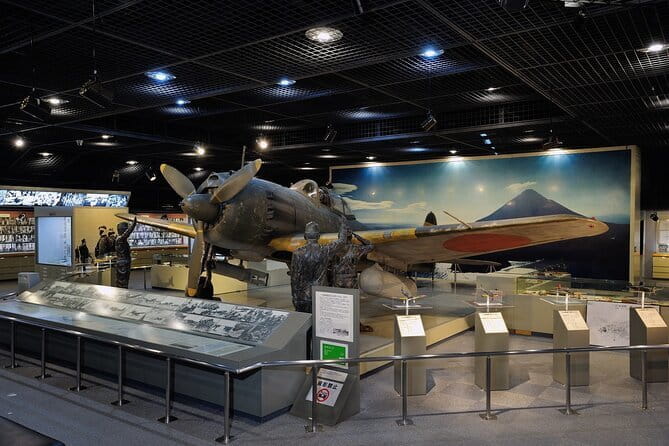
- Kamikaze pilots from Chiran volunteered for suicide missions, motivated by nationalism, peer pressure, and a duty to protect their homeland.
- Chiran served as a crucial training and launching site for kamikaze operations, reflecting Japan’s desperation during World War II.
- The legacy of kamikaze pilots is explored through literature, film, and art, symbolizing sacrifice and national identity in Japan.
- The Chiran Peace Museum preserves personal artifacts and historical exhibits that educate visitors about the impact of war and the kamikaze legacy.
- Emotional struggles faced by pilots included family expectations and the toll of leaving loved ones behind, highlighting the complexity of their sacrifices.
The Historical Context of Kamikaze Pilots
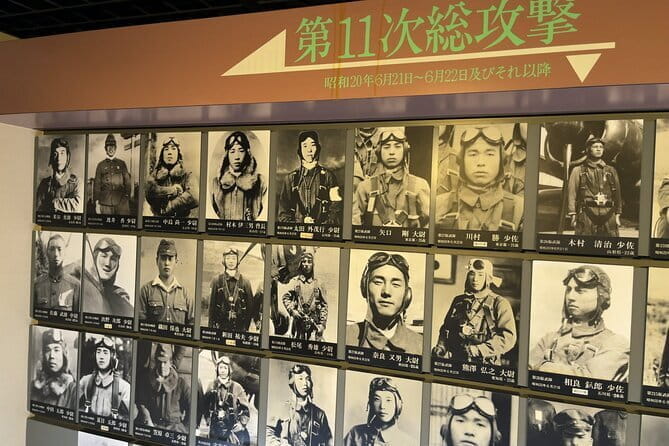
Although often romanticized in popular culture, the reality of Kamikaze pilots during World War II reflects a complex blend of desperation, loyalty, and a fierce sense of duty.
These pilots emerged amidst Japan’s dire military situation as Allied forces advanced. Faced with overwhelming odds, they volunteered for suicide missions, believing their actions would protect their homeland and uphold honor.
The government glorified these missions, framing them as acts of patriotism. However, many pilots grappled with fear and doubt, knowing they were sacrificing their lives.
This historical context reveals the intricate motivations behind their tragic choices, shaping a legacy still debated today.
Fascinated by Kagoshima's past? More historical tours we've covered
Exploring Chiran’s Role in World War II
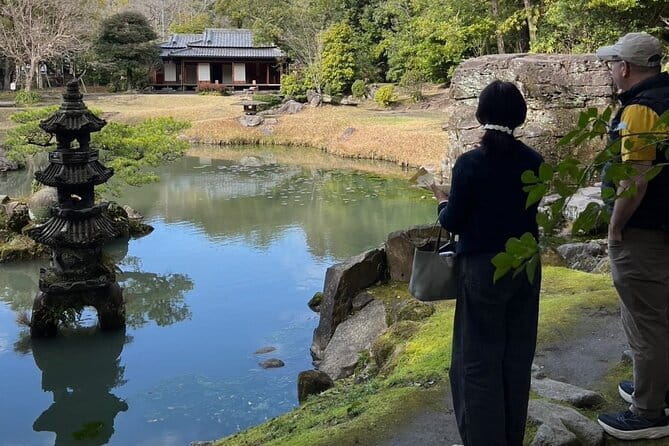
As Japan faced mounting pressures in World War II, Chiran emerged as a pivotal site for the country’s Kamikaze operations.
Located in Kagoshima Prefecture, this small town became crucial for training and launching suicide pilots. The airfield at Chiran saw countless young men prepare for their final missions, driven by a sense of duty and patriotism.
The strategic location allowed for direct strikes against Allied naval forces, making it a focal point in Japan’s desperate efforts.
Chiran’s role in these operations reflects the broader context of wartime desperation and the extreme measures taken to defend the nation during its darkest hours.
The Legacy of the Kamikazes: A Cultural Perspective
Chiran’s legacy extends far beyond the battlefield, shaping Japan’s cultural landscape and collective memory. The stories of the kamikazes have found their way into literature, film, and art, often symbolizing sacrifice and national identity. They evoke deep emotions, reflecting the complexities of war, honor, and loss.
In modern Japan, these narratives serve as reminders of the past, fostering discussions about peace and reconciliation. On top of that, community memorials and educational programs keep the memories alive, ensuring that future generations understand the weight of these historical events.
Ultimately, Chiran’s kamikazes remain a poignant symbol of resilience and reflective cultural identity.
The Chiran Peace Museum: A Place of Reflection
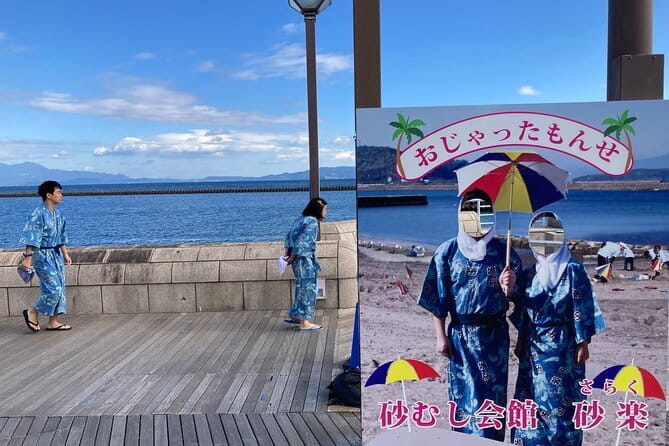
What makes the Chiran Peace Museum a vital site for understanding Japan’s wartime history? This museum serves as a poignant reminder of the sacrifices made by kamikaze pilots during World War II. Through personal artifacts, photographs, and narratives, visitors grasp the human side of conflict. The serene gardens encourage reflection on the consequences of war and the importance of peace.
| Feature | Description | Importance |
|——————-|—————————————|—————————|
| Artifacts | Personal items of kamikaze pilots | Connects visitors to stories |
| Exhibits | Historical displays | Educates on wartime impact |
| Gardens | Peaceful outdoor spaces | Encourages reflection |
| Guided Tours | Expert-led insights | Enhances understanding |
| Memorials | Commemorative sites | Honors those lost in war |
Understanding the Pilots’ Stories and Sacrifices
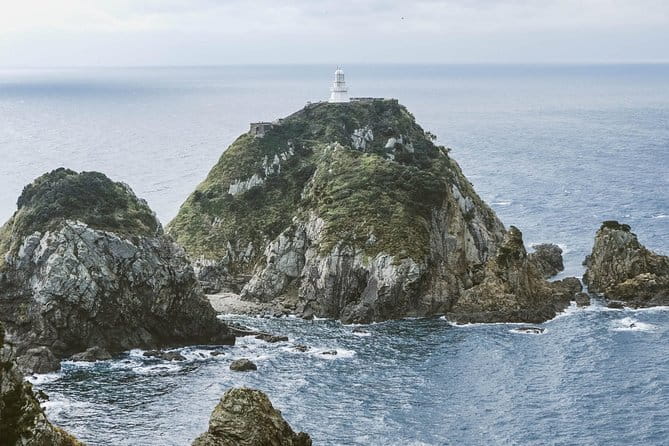
How did the young pilots of Chiran come to make the ultimate sacrifice during World War II? Driven by a mix of nationalism, peer pressure, and the desire to protect their homeland, these men accepted their fate.
Their stories reveal profound dedication and personal struggles, including:
- The weight of family expectations.
- The impact of military propaganda.
- A longing for honor and glory.
- The emotional toll of leaving loved ones behind.
- A belief in their mission’s necessity.
These sacrifices, often overshadowed by the war’s brutality, highlight the complex motivations behind the kamikaze phenomenon and the pilots’ tragic yet poignant legacies.
The Impact of Kamikaze Missions on Modern Japan
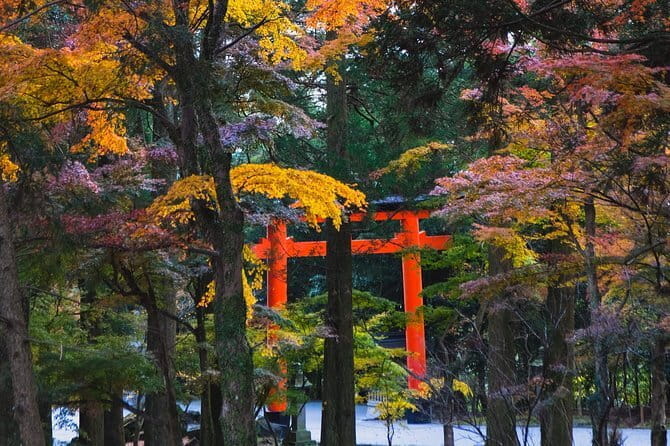
While the kamikaze missions of World War II are often remembered for their tragic loss of life, their impact on modern Japan extends far beyond the battlefield. Today, these missions influence Japan’s identity, weaving historical lessons into its cultural fabric. They inspire national remembrance and reflect on the values of sacrifice and honor.
| Aspect | Impact on Japan | Examples |
|———————|——————————-|——————————-|
| Cultural Memory | Preservation of history | Museums, memorials |
| National Identity | Reinforcement of resilience | Literature, art |
| Educational Focus | Teaching about sacrifice | School curriculums |
Visiting Chiran: What to Expect From the Tour
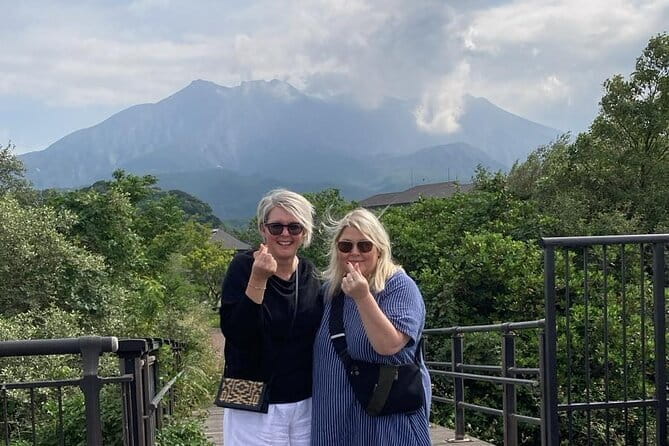
Curious about the experiences awaiting visitors at Chiran? The tour offers an immersive journey into the history of Kamikazes, blending education with reflection.
Starting from Marine Port Kagoshima, participants can expect:
- A guided exploration of historical sites.
- Engaging narratives about the Kamikaze pilots.
- Insightful discussions on their legacy.
- Comfortable transportation in an air-conditioned vehicle.
- A delicious lunch included in the package.
With limited spots available, this tour promises a unique experience for history enthusiasts and casual visitors alike.
Don’t miss the chance to explore this poignant chapter of Japan’s past!
Frequently Asked Questions

What Is the Meeting Point for the Tour?
The meeting point for the tour is the Marine Port Kagoshima Parking Lot, located at GHQ3+42, Chuokoshinmachi, Kagoshima, 890-0076, Japan. Travelers can easily find this accessible and convenient location to begin their experience.
Is Lunch Included in the Tour Package?
Yes, lunch’s included in the tour package. Participants can enjoy a meal during their experience, enhancing their overall journey. The tour offers not just history but also a delightful dining opportunity along the way.
Can I Cancel the Tour for a Refund?
She can cancel the tour for a refund up to 24 hours before it starts. This flexibility allows her to change plans without worry, ensuring a stress-free experience while exploring the historical significance of the site.
How Many Travelers Can Join the Tour?
The tour allows up to 15 travelers to join, ensuring an intimate experience. Participants can easily engage with the guide and each other, fostering a rich atmosphere for learning and exploration throughout the journey.
Is the Tour Accessible for Strollers?
The tour isn’t wheelchair accessible, but it’s stroller accessible. Travelers with strollers can comfortably participate. Service animals are allowed, ensuring everyone enjoys the experience while accommodating various needs during the journey.
The Sum Up
The story of the kamikazes from Chiran serves as a poignant reminder of the complexities of sacrifice and nationalism. Their legacies prompt reflection on the emotional toll of war and the cultural values that shaped their decisions. Visiting Chiran and engaging with the narratives of these pilots fosters a deeper understanding of history, urging visitors to contemplate peace and reconciliation. By remembering the past, society can strive for a future that honors those sacrifices while promoting harmony and understanding.
More Tour Reviews in Kagoshima
- Discover the Wonders of Sakurajima Half Day Tour in Kagoshima
- Sushi Making Experience in Kagoshima!
- Oshima Tsumugi Kimono Dress Rental From Kagoshima
- Half Day Kayak Adventure in Sakurajima Seascapes
- Tradistional Kusaki-zome Dyeing Experience in Kagoshima
- Kagoshima Highlights Private Tour, Sakurajima Volcano and More
Not for you? Here's more things to do in Kagoshima we have recnetly reviewed
- Kagoshima Family-Friendly Adventure
- Sakurajima Off Limits Trail E-bike Tour
- Port Pick-Up: Kagoshima Private Tour Licensed Guide & Vehicle
- Samurai Spirit Half Day Walking Tour in Kagoshima
- Kagoshima Volcano SUP Yoga Activity Inc. Lunch & Transport
- Learn History From the Kamikazes of Chiran and Their Legacy
- Kagoshima Volcano Sunrise SUP Activity Inc. Breakfast & Transport
- Pasture Hike With Horse Whisperer at Horse Trust in Kagoshima
- Historical Hill Climb E-bike Tour to Sakurajimas Peak
- Sakurajima Blessings of the Earth Ride
- Authentic Oshima Tsumugi Textiles Experience
- Kagoshima Shore Excursion Shopping Tour With Wagyu Lunch Included