
Crafting a one-of-a-kind card case from an antique kimono obi is an extraordinary experience in Sapporo. Participants will have the chance to select from a range of exquisite fabrics, then expertly design and construct their personalized accessory under the guidance of a professional instructor. This hands-on workshop not only allows for creative expression but also provides a unique souvenir to treasure from the visit. With accessibility in mind, the activity caters to all skill levels, making it an engaging option for anyone seeking a memorable cultural encounter.
Key Points
- Participants will create an original card case using an antique kimono obi under the guidance of a professional instructor.
- The activity is fully wheelchair and stroller accessible, and service animals are welcome.
- The overall fee covers the experience, materials, and equipment rental, with a price match available.
- The activity is conducted as a private tour, and participants leave with a unique souvenir from Sapporo.
- The creative process involves selecting an obi, measuring and cutting the fabric, and applying sewing techniques to construct the card case.
About the Activity
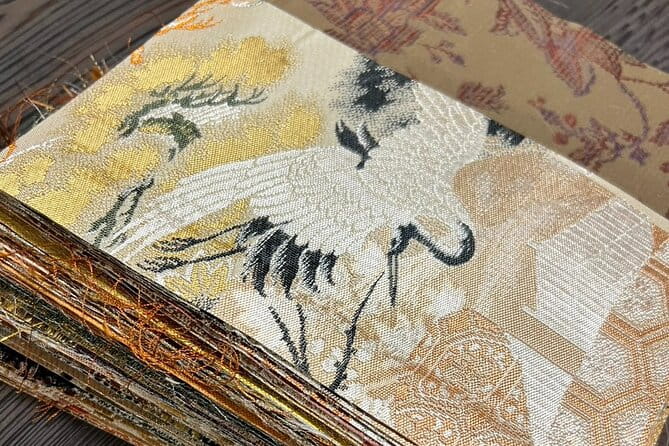
Participants will create an original card case using an antique kimono obi during this private tour/activity in Sapporo, Japan.
A professional instructor will guide the group through the process of transforming the traditional textile into a functional and stylish accessory.
All necessary materials and equipment will be provided, including the antique obi, sewing tools, and customization options.
The activity is wheelchair and stroller accessible, and service animals are welcome.
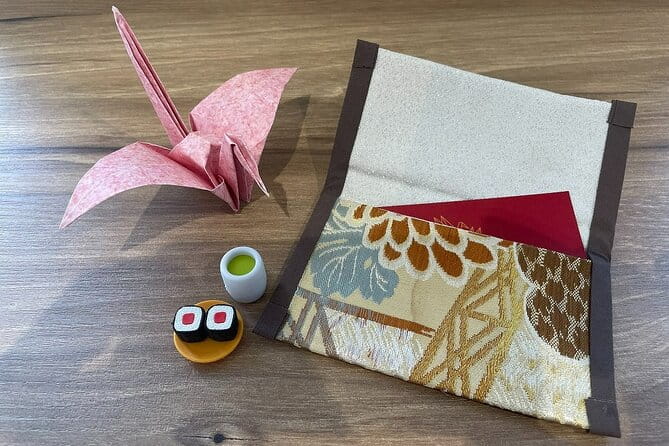
After the creative session, you will leave with a one-of-a-kind card case, a unique souvenir from their time in Sapporo.
You can also read our reviews of more tours and experiences in Sapporo.
Pricing and Fees
The activity is priced at a competitive rate and includes various fees. The price match is available if you find a better deal elsewhere.
The overall fee covers the experience, consumption tax, equipment rental, material costs, and a souvenir.
The activity takes place in Sapporo, Japan, and is a private tour where only your group participates.
This hands-on workshop allows you to create an original card case using an antique kimono obi, a unique and memorable experience.
Meeting and Pickup Information
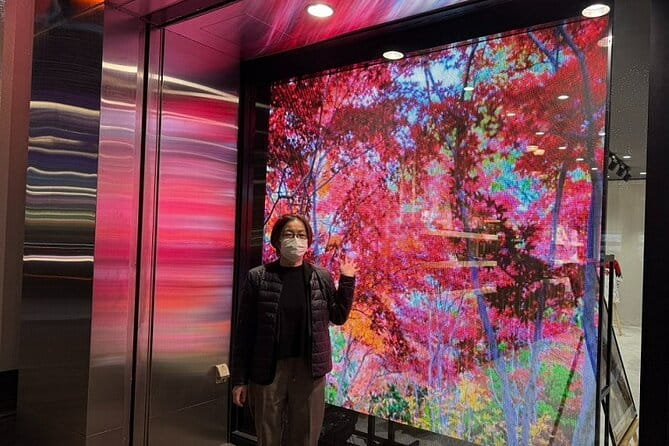
The meeting point for this activity is the JTB Travel Gate Sapporo, located at 2-chōme-4-5 Minami 1 Jōnishi, Chuo Ward, Sapporo, Hokkaido 060-0061, Japan.
This landmark is a silver building with a large screen facing Minami 1-jo Street, signed with an orange JTB sign.
The activity begins and ends at this meeting point.
The location is near public transportation, and the surfaces are wheelchair accessible, making it accessible for all participants.
Accessibility
Wheelchair and stroller users can easily access this activity, as the meeting point and surrounding surfaces are fully wheelchair accessible.
Service animals are also welcome to join. The activity location is conveniently situated near public transportation, making it accessible for travelers.
Whether you have mobility challenges or prefer the ease of a stroller, this experience caters to your needs, ensuring a seamless and inclusive experience.
With these accessibility features, most travelers can participate and enjoy the opportunity to create their own unique card case using an antique kimono obi.
Kimono Obi: A Rich History
Although kimono obis have a rich history dating back centuries in Japanese culture, these elegant sashes were traditionally more than just fashion accessories.
Obis were essential garments that served functional purposes, such as securing the kimono and complementing the overall aesthetic. The intricate weaving and dyeing techniques used to create obis reflect the artistry and craftsmanship of Japanese textile production.
Many obis feature elaborate patterns and motifs that carry symbolic meanings, often referencing nature, mythology, or cultural traditions.
These unique textiles have become prized possessions, inspiring creative repurposing into modern accessories like the card case in this activity.
- New Chitose Airport To/From Lake Toya Private Transfer
- Japanese Buckwheat Noodle Making Experience in Sapporo,Japan
- Sapporo: Lake Toya, Mt. Yoteisan Park & Hot Springs Day Tour
- Handmade Soba Noodle and Hokkaido Ezo Deer Meat Shabu Shabu
- Hokkaido: Noboribetsu, Lake Toya and Otaru Full-Day Tour
- New Chitose Airport To/From Furano Town Private Transfer
Creative Process: Designing Your Card Case
Participants start the creative process by selecting a unique kimono obi that speaks to their personal style and aesthetic. They then:
- Carefully measure and cut the obi fabric to size.
- Explore various patterns, colors, and textures to incorporate into the design.
- Apply sewing techniques to create the card case’s structure.
- Embellish the piece with thoughtful details, such as stitching or decorative elements.
Throughout the session, the instructor guides participants, offering expertise and encouragement.
The result is a one-of-a-kind card case infused with the beauty and heritage of the Japanese kimono tradition.
Finishing Touches and Souvenir
As the participants complete the intricate construction of their personalized card cases, they’ve the opportunity to apply the final flourishes that transform their creations into cherished keepsakes.
Adding decorative elements like tassels or charms allows them to infuse their cards cases with personal flair.
Once satisfied, they’ll receive a souvenir gift – a small token to commemorate their handcrafted masterpiece.
With a sense of pride, participants depart with a one-of-a-kind card case that reflects their unique style and the rich cultural heritage of the antique kimono obi material.
The Sum Up
This hands-on workshop allows participants to create a unique and personalized card case using an exquisite antique kimono obi. Guided by a professional instructor, attendees can design an accessory that reflects their style while learning about the rich history of this traditional Japanese textile. The finished product serves as a memorable souvenir from Sapporo, making it an engaging and accessible activity for all.
More Tour Reviews in Sapporo
Not for you? Here's more things to do in Sapporo we have recnetly reviewed
- Hokkaido Niseko Ski Day Tour(Depart From Sapporo)
- 7 Hour Day Trip Otaru From Sapporo by Public Transportation
- Kimono Tea Ceremony Experience in Hokkaido
- Japanese Home Cooking Class in Sapporo With a Professional Shiori
- Enjoy Snow-Covered Hot Springs With Private Transport
- SkyExpress Private Transfer: Sapporo to Otaru (8 Passengers)
- Seasonal Day Tour Asahiyama Zoo and Forest Fairy From Sapporo
- 1 Hour Private Photoshoot in Sapporo
- Wagashi Traditional Japanese Sweets Class
- SkyExpress Private Transfer: Sapporo to Asahikawa (15 Passengers)
- Sapporo Golden Route Stroll Walking Tour
- Sake Lovers Private Tour Visit Liquor Store and Izakaya