
In the bustling district of Ginza, Tokyo, visitors can discover the enchanting world of Kabuki, Japan’s traditional theatrical art. With its stunning costumes and expressive performances, Kabuki offers a unique glimpse into Japanese culture and history. Many who’ve attended describe the experience as both mesmerizing and enlightening, transforming their understanding of Japan’s societal values. But what should one expect from a Kabuki performance, and how can they make the most of this cultural journey?
Key Points

- Kabuki theatre, a vibrant form of traditional Japanese art, originated in the early 17th century and combines music, drama, and dance.
- Visitors can experience elaborate costumes, intricate makeup, and stylized performances that convey deep emotional narratives.
- Expect an engaging atmosphere where audiences actively respond, clapping and shouting in appreciation of the performers.
- Tours, starting at $37.03, provide insights into Kabuki’s history and include live performance viewing, but book in advance due to limited availability.
- Arrive early to secure good seating, and consider familiarizing yourself with Kabuki terminology for a richer experience.
Overview of Kabuki Theatre
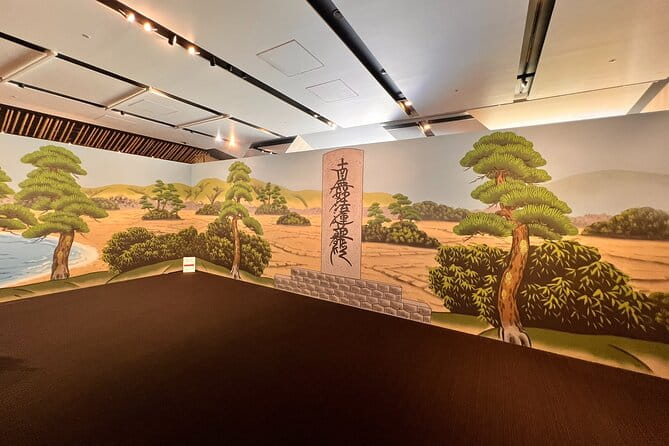
Kabuki theatre, a vibrant and dynamic form of traditional Japanese art, captivates audiences with its elaborate costumes, stylized performances, and rich storytelling.
Originating in the early 17th century, it combines music, drama, and dance, creating an unforgettable experience.
Performers often wear intricate makeup, highlighting their characters’ emotions and traits. Many visitors recall their first Kabuki show, mesmerized by the energy and passion on stage.
The unique staging and live music draw in viewers of all ages, making it a cherished cultural treasure.
As a must-see in Tokyo, Kabuki continues to enchant those eager to explore Japan’s artistic heritage.
You can also read our reviews of more tours and experiences in Ginza.
Importance of Kabuki in Japanese Culture
The vibrant world of Kabuki plays a significant role in shaping Japanese culture and identity. This traditional art form is more than mere entertainment; it embodies history, emotion, and community.
Its importance can be highlighted through:
- Cultural Heritage: Preserving centuries-old stories and customs.
- Artistic Expression: Showcasing elaborate costumes, makeup, and unique performances.
- Social Commentary: Reflecting societal values and issues of the time.
- Community Engagement: Bringing people together to share a collective experience.
As a result, Kabuki continues to inspire pride and connection among Japanese people, making it an essential part of their cultural landscape.
The Kabuki Experience: What to Expect
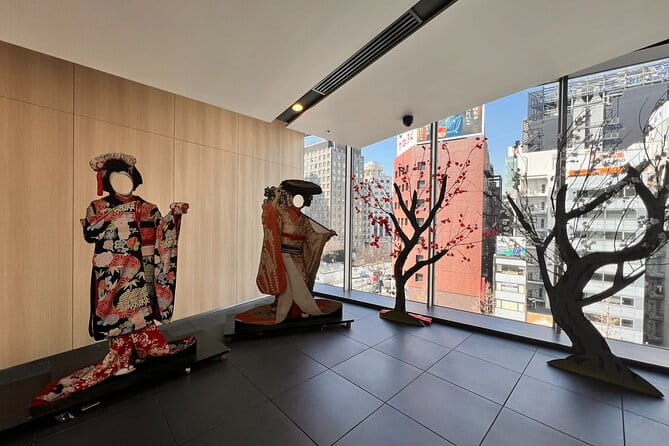
Ever wondered what makes the Kabuki experience so captivating? Visitors are greeted by vibrant costumes and mesmerizing performances that transport them to another time.
The atmosphere buzzes with excitement as the audience engages, clapping and shouting in response to the actors’ powerful expressions. Each performance tells a story, often filled with drama, humor, and moral lessons.
Attendees marvel at the intricate makeup and stylized movements, which have been honed over centuries. One traveler recalled how the rhythmic beats and haunting melodies left a lasting impression, making them appreciate the depth of this traditional art form even more.
Tour Details and Pricing
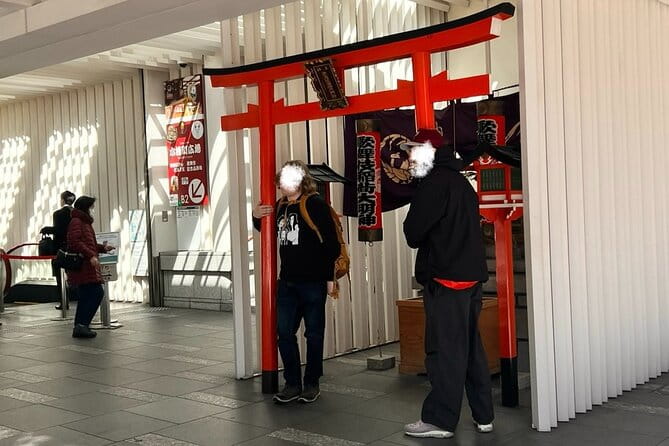
For those seeking an authentic glimpse into Japanese culture, this tour offers an unforgettable experience at a reasonable price. Starting at just $37.03 per person, it’s perfect for small groups, with a maximum of nine participants.
Here are some key details:
- Tour guide: Knowledgeable guides share fascinating insights.
- Kabuki viewing: Experience a live performance of this traditional art.
- Free cancellation: Cancel up to 24 hours before the tour.
- Accessibility: Conveniently located near public transportation, though not wheelchair accessible.
Travelers rave about this unique opportunity to enjoy the world of Kabuki.
Meeting and End Points
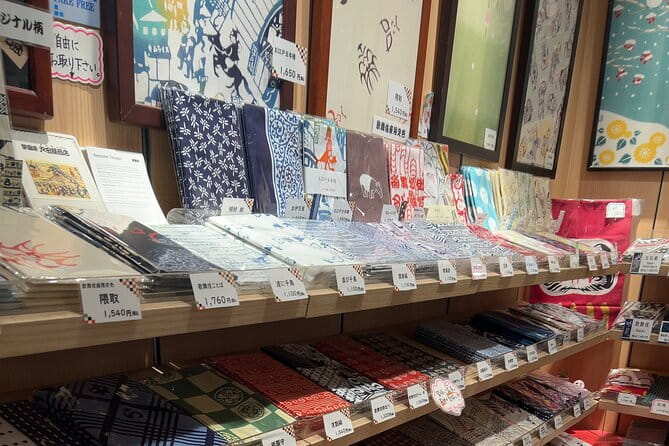
At Nissan Crossing, travelers gather for a seamless start to their Kabuki adventure in Ginza.
This bustling meeting point offers the perfect backdrop, with its modern architecture contrasting the traditional art awaiting them.
Just a short walk away, you will find the iconic Kabuki-za theater, where the magic truly unfolds.
Many travelers share stories of their excitement as they explore the vibrant streets of Ginza, filled with shops and eateries.
The journey from Nissan Crossing to Kabuki-za isn’t just a transition; it’s the beginning of an unforgettable cultural experience that immerses them in Japan’s rich theatrical heritage.
Accessibility and Participation
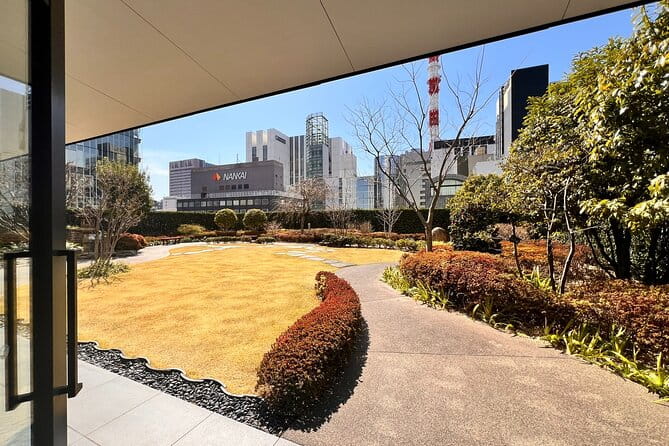
How accessible is the Kabuki experience for all travelers? While it’s not wheelchair accessible, Kabuki-za is near public transportation, making it easy for most visitors to reach.
Travelers can enhance their experience by considering these tips:
- Book in advance to secure a spot, as tours tend to sell out quickly.
- Arrive early to soak in the vibrant atmosphere of Ginza.
- Engage with your guide, who can offer insights into the performance.
- Ask about alternative viewing options if mobility is a concern.
With a little planning, everyone can enjoy the captivating world of Kabuki.
Additional Information

The Kabuki experience in Ginza offers a unique blend of culture and entertainment, making it an unforgettable outing for visitors.
Guests can expect a knowledgeable tour guide who enhances their appreciation of Kabuki’s intricate artistry. The tour includes a viewing of a performance at the iconic Kabuki-za theater, where the vibrant costumes and dramatic storytelling captivate audiences.
While shopping opportunities abound nearby, guests should budget additional costs accordingly. Gratuities aren’t included, so tipping is left to personal discretion.
For those eager to dive into Japan’s rich cultural heritage, this tour is a must-do in Tokyo.
Tips for Enjoying Kabuki in Tokyo
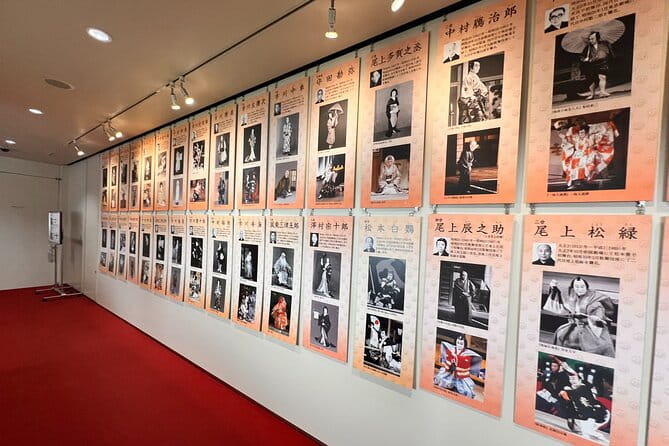
While immersing oneself in the mesmerizing world of Kabuki, it’s essential to arrive prepared to fully appreciate this traditional Japanese art form. Here are some tips to enhance the experience:
- Arrive Early: Secure a good seat and soak in the atmosphere.
- Learn the Basics: Familiarize yourself with Kabuki’s unique terminology and history beforehand.
- Dress Comfortably: Opt for comfy attire, as shows can be lengthy.
- Embrace the Culture: Engage with locals or guides to enrich your understanding.
With these tips, one can truly enjoy the captivating performances that Kabuki has to offer in Tokyo.
Frequently Asked Questions
What Should I Wear for the Kabuki Performance?
She recommends dressing comfortably yet respectfully for the kabuki performance. Lightweight clothing works well, but bringing a light jacket might be smart, as theaters can get a bit chilly during the show.
Are There Age Restrictions for Attending Kabuki Shows?
Age restrictions for Kabuki shows aren’t strict. Families often attend together, enjoying the vibrant performances. It’s a great way for children to experience traditional art, with many parents sharing stories about their own visits.
Can I Take Photographs During the Performance?
During performances, photography’s usually prohibited to respect the art and audience. Many appreciate the immersive experience, focusing on the drama instead. It’s best to soak in the atmosphere without distractions, enjoying each moment fully.
Is Food or Drink Allowed in the Theater?
They’re not allowed to bring food or drink into the theater. Many find it a bit disappointing, as enjoying snacks while watching performances feels natural, but it helps maintain the venue’s atmosphere and respect for the art.
How Long Does a Typical Kabuki Performance Last?
A typical Kabuki performance lasts about two to three hours. It often includes multiple acts, showcasing elaborate costumes and dramatic storytelling. Audiences find themselves captivated by the art form’s vibrant energy and historical significance.
The Sum Up
To sum it up, experiencing Kabuki in Ginza offers a unique glimpse into Japan’s rich cultural tapestry. With its vibrant performances and deep-rooted traditions, Kabuki connects audiences to the past while celebrating the present. Many visitors leave with a newfound appreciation for this art form, often sharing stories of the stunning costumes and powerful performances they witnessed. So, whether you’re a first-timer or a seasoned enthusiast, enjoying Kabuki is a must when visiting Tokyo.
More Tour Reviews in Ginza
- Tokyo Guided Tour of Japanese Traditional Performance Art Kabuki
- Private Dinner : Sowaka Bar in Tokyo Ginza
- Mt. Fuji Tour in Lake Kawaguchi and Oshino Hakkai
- All Inclusive・Private Tour Make Your Own Adventure in Mt. Fuji
- Japanese Kimono Experience Standard Plan From Ginza
- All Inclusive・Private Tour Make Your Own Tokyo Adventure
Not for you? Here's more things to do in Ginza we have recnetly reviewed
- All Inclusive・Private Tour Dinner With Mukojima Geisha
- Tokyo: Authentic Food Tour at Ginza and Shimbashi
- Shop Up A Storm In Ginza
- Tokyo Ginza Deep Back Alley Walking Tour
- Tokyo Ginza Head Spa Trial With Healing Course 75
- Private One Day Nikko Tour With Bilingual Driver
- All Inclusive・Private Tour Kamakura Tour on a Luxury Car
- Yanagi Gallery in Ginza for Private Hire With Lunch
- Exclusive Japanese Pufferfish Dining Experience in Tokyo
- Japanese Whisky Tasting Experience at Local Bar in Tokyo
- Tokyo Private Transfer for Yokohama Port
- Tokyo Allstar Food Tour