
Ikebana, the centuries-old Japanese art of flower arranging, is a captivating practice that blends nature’s beauty with thoughtful design. Through carefully selected flowers and plants, practitioners strive to create harmonious compositions that evoke emotion and reveal the intricate connections between the natural and spiritual realms. While the art form may seem deceptively simple, its nuances and philosophical underpinnings offer a world of exploration for the curious mind. Uncover the depths of this captivating tradition and discover how Ikebana can enrich one’s appreciation for the world around them.
Key Points
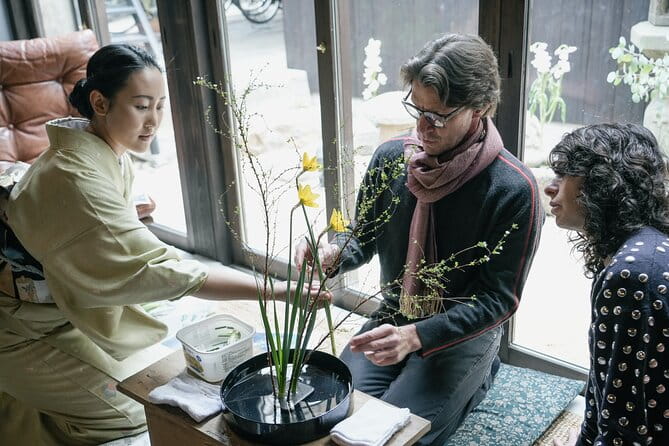
- Ikebana is the traditional Japanese art of flower arranging, with a focus on appreciating plants and flowers.
- The Ikebana class is located in Kyoto, Japan, and teaches two main styles: Nageire and Moribana.
- The one-hour class is led by an instructor, Mana, who provides demonstrations and insights into Ikebana’s philosophy.
- Participants engage in a hands-on experience with flowers and tools, encouraging creativity while learning basic Ikebana rules and terminology.
- The class has an average rating of 4.6 from 14 reviews and costs $59.79 per person, with a maximum of 6 travelers.
Overview and Details
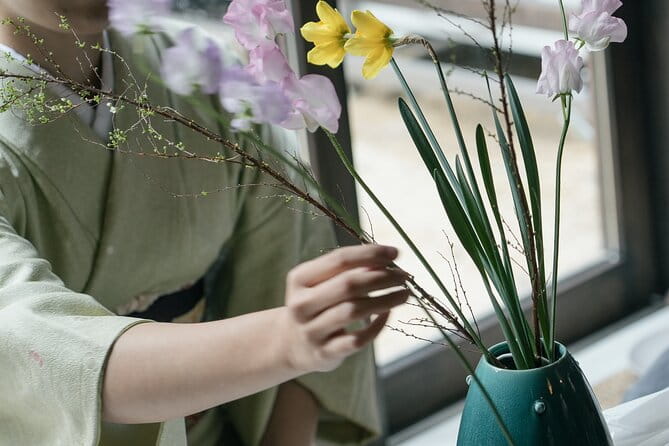
Ikebana is a traditional Japanese art of flower arranging that takes place in Kyoto, Japan.
The activity receives an average rating of 4.6 out of 14 reviews and costs $59.79 per person. Classes are limited to a maximum of 6 travelers and are offered in English and Japanese.
The meeting point is located at 348-1 Tanbayachō, Kamigyo Ward, Kyoto. The class includes flowers and other tools, focusing on hands-on experience with guidance from the instructor.
The class duration is approximately one hour, during which participants learn two Ikebana styles: Nageire and Moribana.
You can also read our reviews of more tours and experiences in Kyoto.
Experience Description
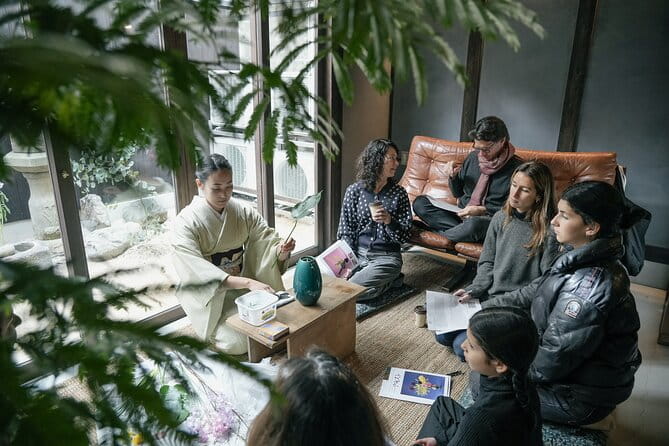
The class includes flowers and other tools needed for the hands-on experience. Participants learn two Ikebana styles: Nageire and Moribana. The focus is on hands-on practice with guidance from the instructor. The class emphasizes appreciation for plants and flowers. The duration is approximately one hour.
The instructor, Mana, provides demonstrations and support throughout the class. She shares insights into Ikebana’s philosophy and practical tips.
The basics of Ikebana are discussed, with more advanced rules reserved for future training. Guests are encouraged to explore their creativity while learning terminology and strategies.
Instructor Feedback and Class Structure
Mana, the instructor, provides demonstrations and support throughout the class. She offers insights into Ikebana’s philosophy and practical tips.
The class covers the basic rules of Ikebana, with more advanced rules reserved for future training. Guests are encouraged to explore their creativity while learning the necessary terminology and strategies.
The instructor’s thoroughness and flexibility are highlighted in the positive participant feedback. While some reviews suggest a need for more historical context on Ikebana, the overall class structure focuses on the hands-on experience and appreciation for plants and flowers.
Participant Reviews and Experiences
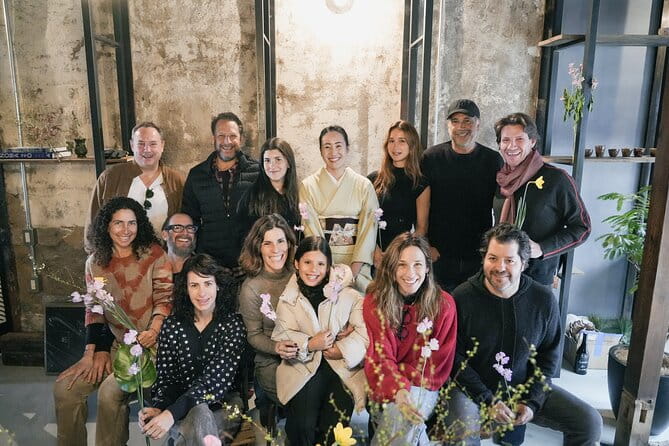
Positive feedback from participants highlights the enjoyable and serene atmosphere of the Ikebana class. Many appreciated the instructor’s thorough guidance and flexibility in allowing them to explore their creativity.
Reviewers noted the instructor provided valuable insights into Ikebana’s philosophy and practical tips. While some wished for more historical context, most felt the basic rules covered were sufficient for their introductory experience.
A few participants mentioned issues with the meeting point communication, but overall, the hands-on nature of the class and the instructor’s expertise left a positive impression on those who attended.
Booking and Additional Information

Confirmation is provided at the time of booking for the Ikebana experience. Participants have the option to reserve now and pay later.
However, some customers have reported issues with customer service. Guests can cancel their booking up to 24 hours before the event with no penalty.
The class isn’t wheelchair accessible, but it’s located near public transportation. The booking process and additional information seem straightforward, though a few participants have encountered problems.
Guests should carefully review the details and communicate any questions or needs to the provider.
The Art of Ikebana
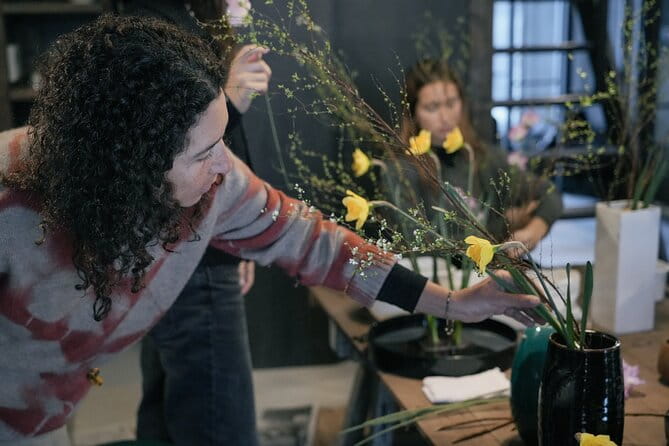
Ikebana, the revered Japanese art of flower arranging, is a captivating blend of natural beauty and profound symbolism. This ancient practice emphasizes the careful selection and placement of flowers, branches, and foliage to create harmonious compositions.
At its core, Ikebana isn’t merely about decoration, but rather a mindful exploration of the relationship between humans and nature. Practitioners strive to evoke emotion, convey meaning, and achieve a sense of balance and tranquility through their arrangements.
The art’s principles of line, space, and form guide the creative process, resulting in stunning displays that celebrate the elegance and imperfection of the natural world.
The Philosophy of Ikebana

The essence of Ikebana lies in its philosophy, a tapestry woven with reverence for nature, balance, and the transient beauty of life.
Ikebana practitioners seek to capture the delicate interplay of form, color, and movement. The arrangement isn’t merely decorative, but a reflection of the artist’s connection to the natural world.
Key principles include asymmetry, empty space, and implied motion. Flowers are positioned to evoke a sense of tranquility and a deeper understanding of the cycle of growth and decay.
Through Ikebana, the artist strives to elevate the ordinary into the extraordinary, finding harmony in the fleeting.
Exploring Ikebana Styles
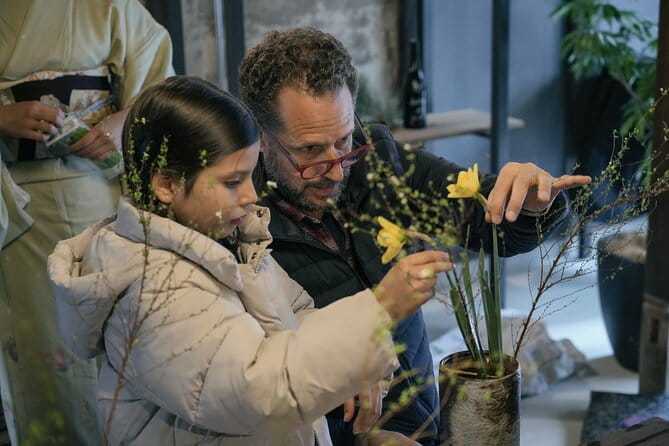
While the philosophical underpinnings of Ikebana lay the groundwork, the art truly comes to life through its diverse styles.
Participants in the Kyoto class learn two primary Ikebana approaches: Nageire and Moribana. Nageire, or "freestanding," emphasizes asymmetry and natural lines. Moribana, or "piled up," utilizes a shallow container to create more structured, balanced arrangements.
Under the instructor’s guidance, students explore these styles, practicing hands-on techniques while considering the symbolic meaning and aesthetic principles. The class provides a solid foundation, with more advanced rules reserved for future training.
Through this immersive experience, participants gain a deeper appreciation for the art of Ikebana and its profound connection to Japanese culture.
Frequently Asked Questions
What Are the Different Ikebana Schools and Their Distinctive Styles?
There are several Ikebana schools, each with its own distinctive styles. The Nageire and Moribana styles, for example, emphasize asymmetry, minimalism, and the natural beauty of flowers and branches.
How Do I Care for the Flowers and Materials Used in Ikebana?
To care for Ikebana flowers and materials, keep them fresh by trimming stems and placing in water. Avoid overcrowding arrangements. Clean and store Ikebana tools properly after use. Proper care helps preserve the natural beauty and longevity of the flowers.
Can I Take My Ikebana Creation Home After the Class?
Yes, participants can take their Ikebana creations home after the class. The instructor typically provides a box or container to transport the arrangements safely. This allows guests to enjoy their handiwork beyond the class experience.
Is There a Dress Code or Special Attire Required for the Ikebana Class?
The Ikebana class doesn’t have a strict dress code, but participants should wear comfortable, casual clothing that allows for easy movement. There’s no need for special attire – the focus is on the flower arranging experience.
Can I Customize the Ikebana Arrangement to Suit My Personal Preference?
Participants can customize their Ikebana arrangements to suit their personal preferences. The instructor provides guidance on the basics, but encourages creativity within the Ikebana principles. Students have the freedom to express their individual style during the hands-on experience.
The Sum Up
Ikebana, the captivating Japanese art of flower arranging, offers a harmonious union of nature, creativity, and contemplation. Through hands-on workshops, participants explore the intricate techniques and philosophical underpinnings of this timeless practice, fostering a deeper appreciation for the beauty and symbolism inherent in floral compositions. Whether a seasoned artist or a curious beginner, Ikebana invites one to embrace the tranquility of the present moment and cultivate a profound connection with the natural world.
More Tour Reviews in Kyoto
- Tour by Car With a Kyoto Native Away off Touristy|A Local Show You Secret Places
- Osaka or Kyoto Private Day Tour With English Driver Free Pickup
- Kyoto Millennium Shogun E-Bike Cycling Tour (East Course)
- Pedal Adventure Kyoto E-Bike Tour : True Kyoto Avoid the Crowds
- Authentic Kyoto Cuisine Tour With a Local Guide
- Private Guided Local Bar Crawl Experience in Kyoto
Not for you? Here's more things to do in Kyoto we have recnetly reviewed
- Tea Ceremony & Zen Meditation in Kyoto Samurai House(Mixed Group)
- Gion a Half Day Food Tour Designed for You With a Local Guide
- Matcha Making Experience in Kyoto
- F1 Japanese Grand Prix JR Chartered Train Departing From Kyoto
- Skip the Lines Basic Ticket at SAMURAI NINJA MUSEUM KYOTO
- Photo Shoot With a Private Vacation Photographer in KYOTO, JAPAN
- Kamo River’s Timeless Tales: A Self-Guided Audio Tour in Kyoto
- The Beauty of Kyoto – Historical Walking Tour of Higashiyama Area
- Japanese Cooking Class
- Arashiyama Bamboo & Must See Gardens With an Amazing Guide
- Kyoto-The City of the Dreams!
- Kyoto Custom Highlight: Private Walking Tour With Licensed Guide